+86 139-6715-0258
 Monday to Friday 8 am. to 6 pm.
 English
 中文简体
中文简体Content
- 1 Understanding the Fundamentals of CPP Film
- 2 Mastering High-Temperature Applications
- 3 Achieving Premium Barrier Performance
- 4 FAQ
- 4.1 What is the difference between CPP and BOPP film?
- 4.2 Can CPP film be used for oven applications?
- 4.3 How do I find reliable food grade CPP film suppliers?
- 4.4 Is printable CPP film for flexible packaging suitable for all printing methods?
- 4.5 What are the benefits of using CPP film for textile lamination?
Understanding the Fundamentals of CPP Film
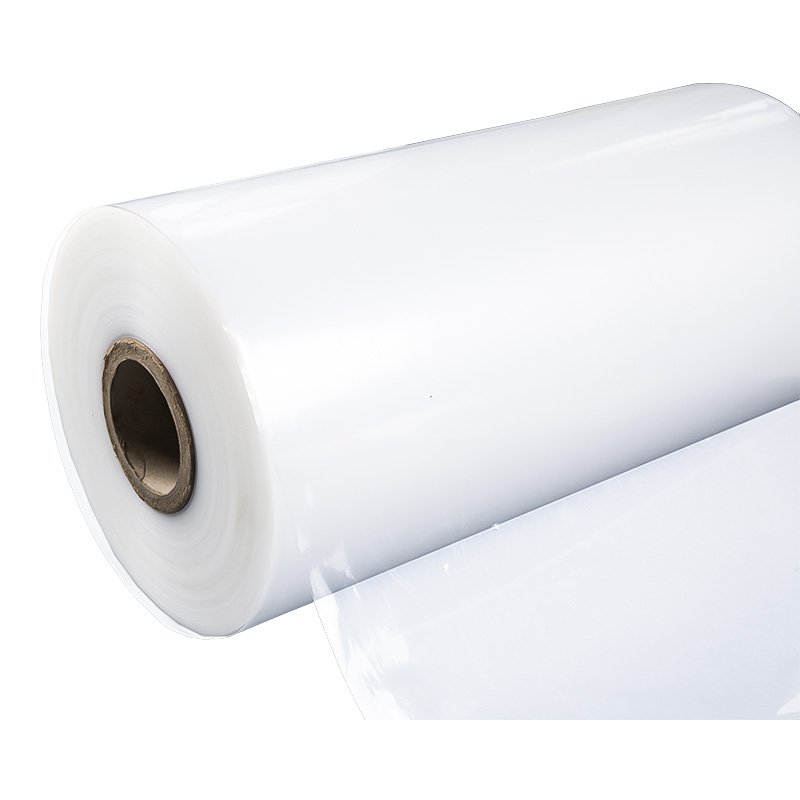
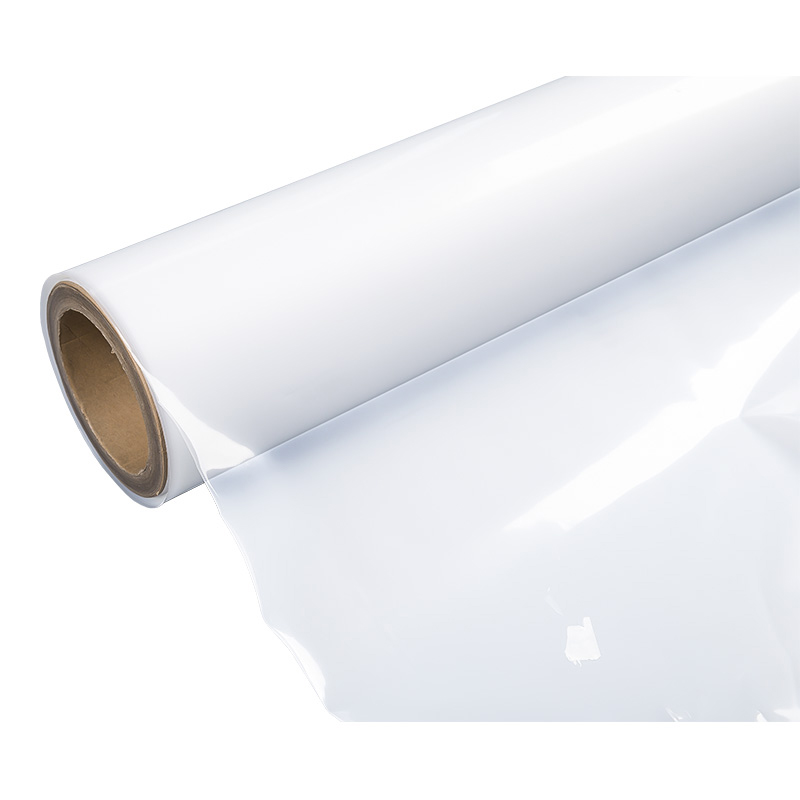
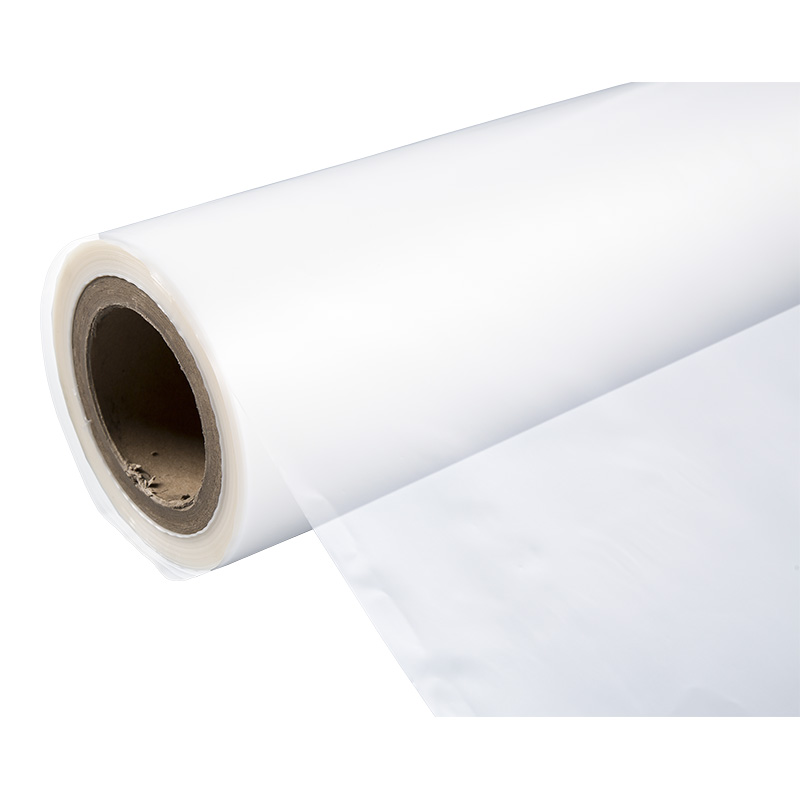
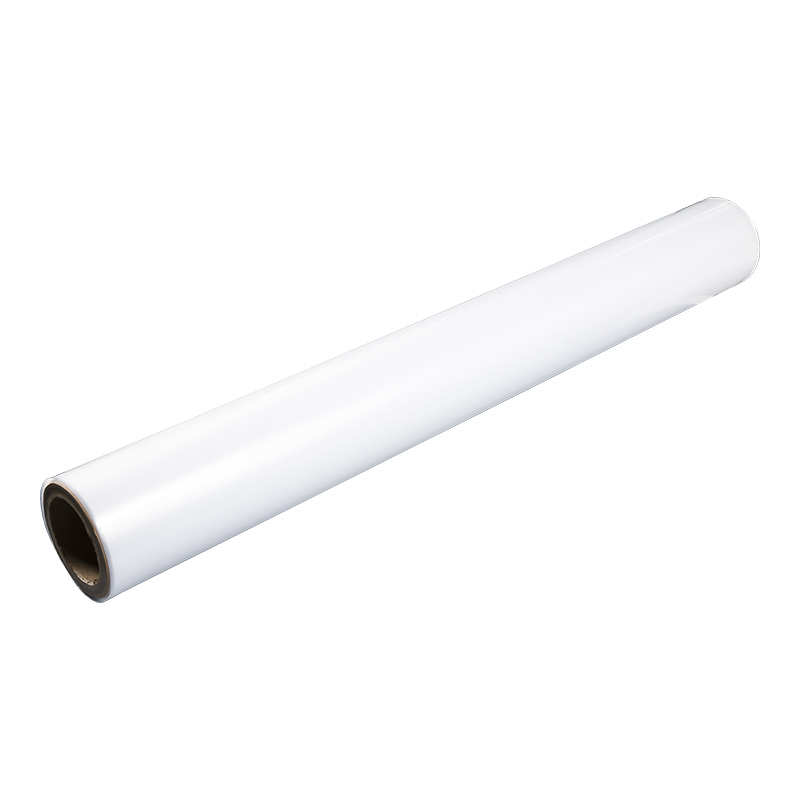
Cast Polypropylene (CPP) film is a versatile and essential material in the world of flexible packaging and industrial applications. Known for its exceptional clarity, excellent heat-sealability, and impressive puncture resistance, a CPP film roll serves as a critical component in countless products we use daily. Unlike its BOPP (Biaxially Oriented Polypropylene) counterpart, which is stretched in two directions, CPP is produced by extruding molten polypropylene onto a chilled casting roll, a process that locks in a unique molecular structure. This "cast" process is what gives CPP its superior performance in specific applications, making it a go-to choice for engineers and product developers alike.
What Exactly is a CPP film roll?
A CPP film roll is a continuous length of polypropylene film manufactured via the cast extrusion process. This method involves melting polypropylene resin and forcing it through a flat die. The molten sheet is then immediately quenched on a highly polished, chilled casting roll. This rapid cooling solidifies the film, preventing the formation of crystals and resulting in a film with high clarity, gloss, and impact strength. The film is then wound onto a core, creating a roll ready for further processing like printing, lamination, or conversion into final packaging.
The Production Process: From Cast to Roll
The cast extrusion line is a marvel of engineering. It starts with raw polypropylene resin, which can be blended with additives to achieve specific properties like anti-block or slip. The resin is melted and homogenized in an extruder before being forced through a T-shaped die. The key to the process is the chilled casting roll, which can be several meters in diameter. The speed of the roll and the air knife used to cool the film's top surface precisely control the film's final thickness and properties. This single-direction cooling process results in a film with a balanced molecular orientation, contributing to its toughness and sealability.
| Process Step | Description | Resulting Property |
| Resin Melting | Polypropylene is heated to a molten state | Uniform material consistency |
| Cast Extrusion | Molten polymer is extruded through a flat die | Forms a continuous, flat sheet |
| Chill Roll Quenching | Sheet is rapidly cooled on a chilled roll | High clarity, gloss, and impact strength |
| Winding | Finished film is wound onto a core | Creates a manageable roll for shipping |
Core Properties: Sealability, Clarity, and Flexibility
The three defining characteristics of CPP film are its sealability, clarity, and flexibility. CPP has a low and broad heat-sealing initiation temperature, typically starting around 120°C, which allows for fast sealing on high-speed packaging lines. Its amorphous structure from the casting process gives it excellent optical properties, making it ideal for "window" packaging where product visibility is key. Finally, its inherent flexibility and tear resistance make it suitable for packaging irregularly shaped items and for applications where the film must withstand stress without failing.
Mastering High-Temperature Applications
While standard CPP film offers excellent sealability, many modern packaging applications demand performance under extreme thermal stress. This includes products that undergo retort sterilization, are designed for microwave heating, or require high-temperature filling processes. For these demanding environments, a specialized material is required, making the selection of a high heat resistance CPP film a critical engineering decision. These advanced films are formulated to maintain their integrity, seal strength, and clarity even when exposed to temperatures that would cause standard films to melt or shrink.
When to Specify high heat resistance CPP film
You should specify a high heat resistance CPP film whenever your product or packaging process involves sustained high temperatures. The most common applications are retort pouches for ready-to-eat meals, which are sterilized at temperatures exceeding 120°C under pressure. Other uses include microwaveable packaging, where the film must not warp or melt, and packaging for hot-filled products like soups or sauces. Using a standard film in these applications would result in seal failure, package distortion, and product spoilage, making the high-heat variant essential for product safety and quality.
Key Metrics: Heat Seal Temperature and Hot Tack Strength
Two key metrics define the performance of a high-heat CPP film. The first is its heat seal temperature range, which is shifted higher than standard CPP, allowing for a strong seal to be formed even when the film is exposed to ambient heat. The second, and arguably more critical, is hot tack strength. Hot tack is the strength of a seal while it is still hot and molten. A high hot tack strength allows the package to be handled and moved immediately after sealing without the seal peeling open, a crucial requirement for high-speed automated packaging lines.
| Property | Standard CPP | High Heat Resistance CPP |
| Heat Seal Range | ~120°C - 150°C | ~135°C - 170°C |
| Max Service Temp | ~100°C | ~120°C - 130°C |
| Key Application | General snack packaging | Retort, microwave, hot-fill packaging |
Applications in Retort and Microwaveable Packaging
In retort packaging, the high-heat CPP film serves as the inner heat-seal layer of a multi-layer laminate. It must withstand the prolonged high-temperature, high-pressure cooking process to ensure a hermetic seal that protects the food from contamination. For microwaveable applications, the film must resist the localized high temperatures that can occur when food fats and sugars heat up, preventing pinholes and seal failures. In both cases, the film's ability to perform under thermal duress is directly linked to the safety, shelf-life, and quality of the food product.
Achieving Premium Barrier Performance
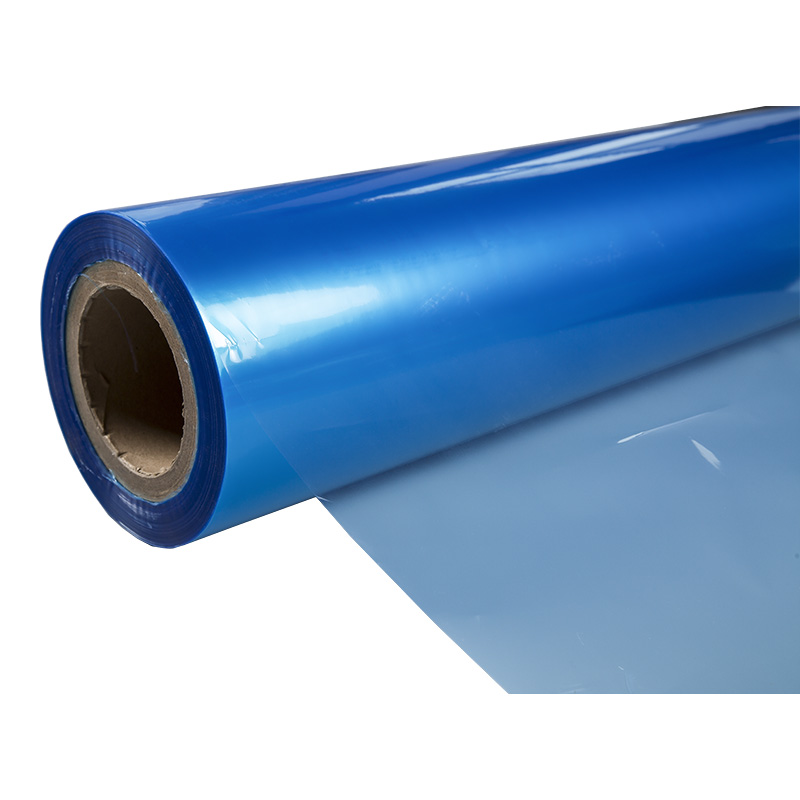
For many products, especially sensitive foods, protecting the contents from oxygen and moisture is just as important as sealing the package. While standard CPP offers good moisture barrier properties, its oxygen barrier is limited. To create a premium package with an extended shelf life, manufacturers turn to metalized CPP film for packaging. This advanced material combines the excellent sealability and clarity of CPP with a highly reflective metal layer, creating a versatile substrate that offers both superior protection and a premium aesthetic appeal.
The Role of metalized CPP film for packaging
A metalized CPP film for packaging is created by depositing an ultra-thin layer of aluminum onto the surface of a CPP film under a vacuum. This process, known as physical vapor deposition (PVD), transforms the transparent film into a highly reflective, metallic-looking material. This aluminum layer acts as an exceptional barrier to both light and oxygen, two of the primary causes of food spoilage and degradation. This makes it an ideal choice for products like coffee, nuts, snacks, and other oxygen-sensitive items.
How Metallization Enhances Shelf Life
The metallized layer dramatically reduces the film's Oxygen Transmission Rate (OTR) and Light Transmission Rate (LTR). By blocking nearly all light, it prevents UV-induced degradation of flavors and colors. By creating a near-impermeable barrier to oxygen, it dramatically slows down oxidation, which causes rancidity in fats and oils. The result is a package that can keep products fresh for months longer than they would in a standard clear film, directly reducing food waste and enhancing product value.
| Barrier Property | Standard CPP | Metalized CPP |
| Oxygen Transmission Rate (OTR) | High (>1500 cc/m²/24h) | Very Low (<50 cc/m²/24h) |
| Light Transmission | High (>90%) | Very Low (<5%) |
| Water Vapor Transmission Rate (WVTR) | Low (<10 g/m²/24h) | Low (<10 g/m²/24h) |
Designing for Visual Appeal and Product Protection
Beyond its functional benefits, metallized CPP film offers significant aesthetic advantages. It provides a premium, metallic finish that makes products stand out on the retail shelf. It can also be used to create "see-through" windows where specific areas are left un-metallized, offering a unique visual contrast. Furthermore, the metalized surface provides an excellent base for high-quality printing, allowing for vibrant, sharp graphics that enhance brand perception. This combination of superior protection and premium appearance makes it a favorite for high-end consumer goods.
FAQ
What is the difference between CPP and BOPP film?
The primary difference lies in their manufacturing process and resulting molecular structure. CPP (Cast Polypropylene) is extruded and cooled on a chilled roll, resulting in an un-oriented film with high clarity, excellent impact strength, and low-temperature heat sealability. BOPP (Biaxially Oriented Polypropylene) is stretched in both the machine and transverse directions, making it stiffer, stronger, and giving it a higher shrink temperature and better barrier properties, but with lower impact strength and a higher seal temperature. CPP is often used as a heat-seal layer, while BOPP is often used as the outer printable layer of a laminate.
Can CPP film be used for oven applications?
No, standard CPP film and even most high-heat resistance CPP films are not suitable for use in a conventional oven. Conventional ovens can reach temperatures far exceeding the melting point of polypropylene (typically 160-170°C). For oven-safe applications, films made from polymers like PET (Polyethylene Terephthalate) or specialized high-temperature nylons are required. Always check the maximum service temperature of the film and ensure it is compatible with your intended heating method.
How do I find reliable food grade CPP film suppliers?
Finding reliable food grade CPP film suppliers requires due diligence. Start by verifying their certifications; reputable suppliers will readily provide documentation for compliance with regulations like FDA 21 CFR (for the USA) or EU Framework Regulation (EC) No 1935/2004 and specific plastic regulation (EU) No 10/2011. Request a Material Safety Data Sheet (MSDS) and a Declaration of Compliance (DoC). Finally, ask for samples to test in your own application and inquire about their quality control processes and manufacturing environment to ensure consistency and safety.
Is printable CPP film for flexible packaging suitable for all printing methods?
printable CPP film for flexible packaging is highly versatile, but its suitability depends on the printing method and the ink system used. For most printing methods like flexography and rotogravure, the CPP film surface requires a treatment step, typically corona treatment, to increase its surface energy. This allows the oil-based inks to properly adhere to the otherwise low-energy surface. While excellent for these methods, it is less commonly used for methods like screen printing without proper pre-treatment. Always consult with your film supplier and printer to ensure the film is optimized for your specific ink and printing process.
What are the benefits of using CPP film for textile lamination?
Using CPP film for textile lamination offers several key benefits, primarily centered around protection and performance. When laminated to a fabric like non-woven polypropylene, the CPP film provides a waterproof and liquid-proof barrier, making it ideal for medical gowns, protective apparel, and reusable shopping bags. Its excellent heat-sealability allows for seamless, strong bonding of fabric layers without stitching, creating a more comfortable and secure garment. Additionally, it can add stiffness and durability to the fabric, enhancing the performance of the final product.