+86 139-6715-0258
 Monday to Friday 8 am. to 6 pm.
 English
 中文简体
中文简体Content
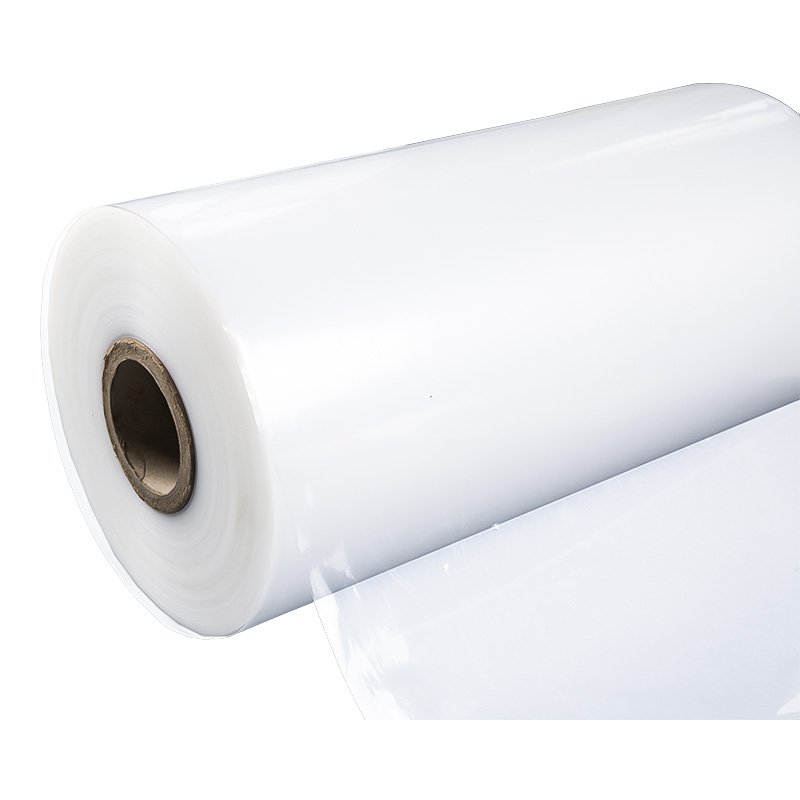
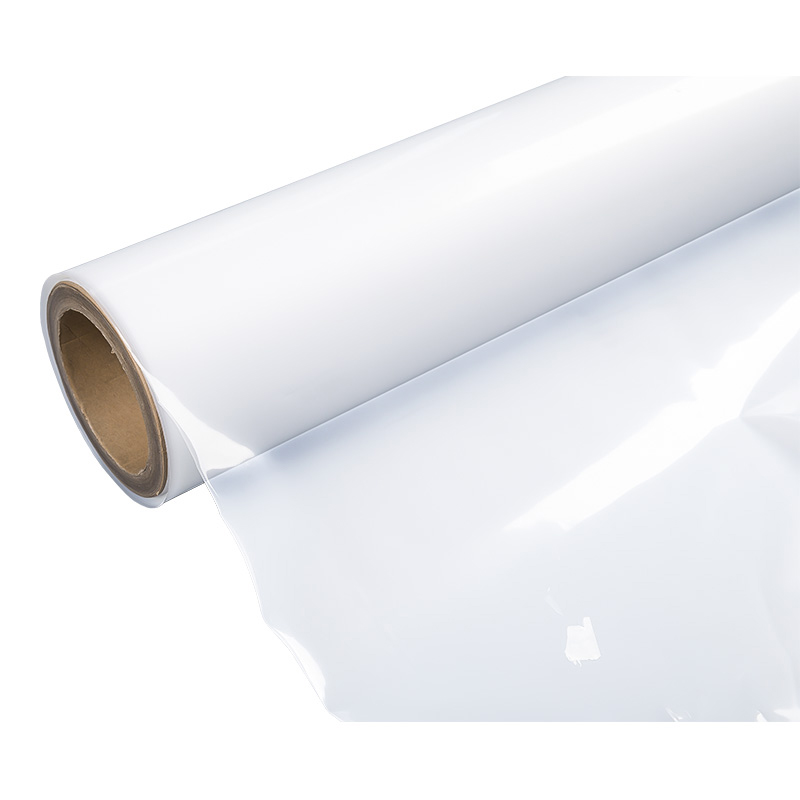
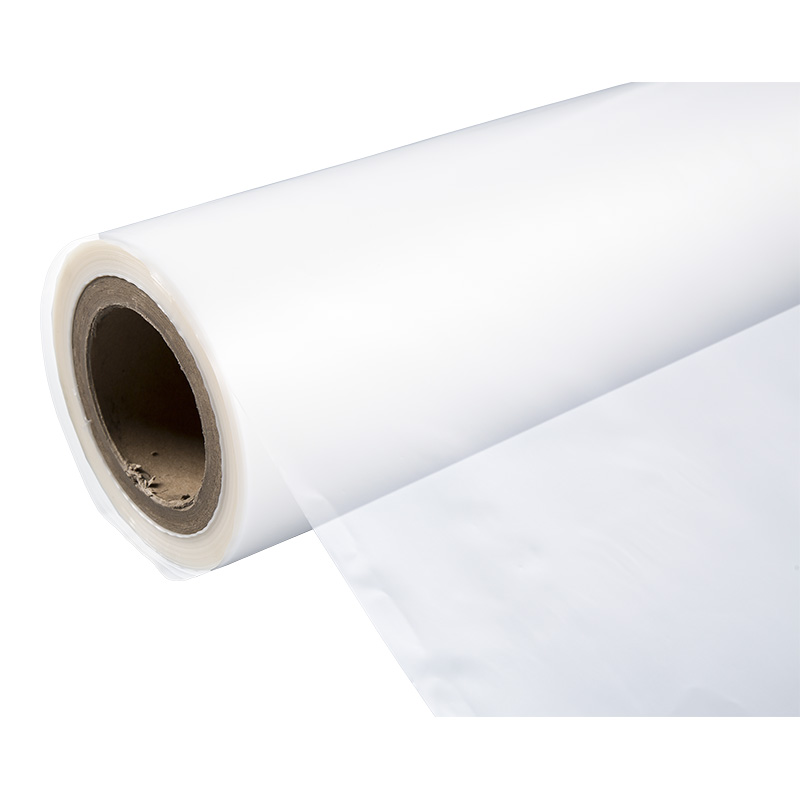
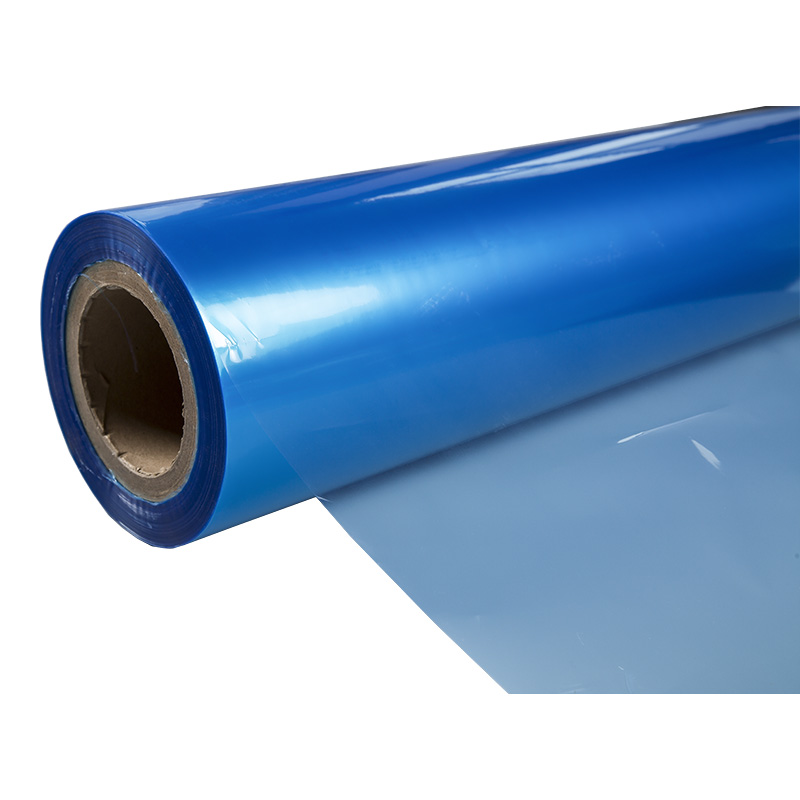
In industrial containment and construction applications, selecting the appropriate plastic poly sheeting roll is critical for both structural integrity and site safety. While both variants serve as effective moisture barriers, their molecular additives and performance under thermal stress vary significantly. This analysis evaluates the material science and regulatory standards that differentiate these two film categories.
Molecular Composition and Flame Retardancy Mechanisms
- 1. Polyethylene base resin: A standard plastic poly sheeting roll is typically manufactured from Low-Density Polyethylene (LDPE) or Linear Low-Density Polyethylene (LLDPE) pellets without specialized additives, making it highly flammable.
- 2. Halogenated vs Phosphorus additives: What makes poly sheeting fire retardant involves the incorporation of specific chemical flame retardants during the extrusion process. These additives act in the gas phase to quench free radicals or in the solid phase to form a protective char layer.
- 3. Standard vs FR Grade drip behavior: During combustion, standard polyethylene drips molten polymer, which can propagate fire. FR-rated films are designed to self-extinguish within seconds of the flame source removal.
Regulatory Compliance and Fire Safety Standards
Compliance with local building codes often dictates the necessity of specialized films. We compare the certification requirements for different polyethylene grades below.
| Feature | Standard Poly Sheeting | Fire-Retardant Poly Sheeting |
| US Certification | None / Basic ASTM D2103 | NFPA 701 Test Method 1 & 2 |
| UK/EU Certification | N/A | LPS 1207 / EN 13501-1 |
| Combustibility | High; supports flame spread | Self-extinguishing; limited smoke |
- 1. NFPA 701 compliance for poly sheeting: This is the industry-standard vertical flammability test. A fire-retardant poly sheeting roll must pass this to be used in public spaces, hospitals, or high-rise construction.
- 2. ASTM E84 Surface Burning Characteristics: This test measures the Flame Spread Index (FSI) and Smoke Developed Index (SDI). Standard films often fail these metrics, whereas FR films achieve Class A ratings.
- 3. LPS 1207 certification requirements: In the UK market, films used for internal protection during refurbishment must meet this "Loss Prevention Standard" to satisfy insurance mandates.
Physical Durability and Vapor Barrier Performance
- 1. Tensile strength and puncture resistance: Despite the addition of flame retardants, the tensile strength of 6 mil poly sheeting must remain above 1700 psi per ASTM D882 to ensure it doesn't tear under wind loads or foot traffic.
- 2. Vapor Permeance (Perm Rating): How does a vapor barrier differ from fire retardant sheeting? Technically, they can be the same. Both provide a perm rating below 0.1 per ASTM E96, though FR films are often prioritized in enclosed "hot work" zones.
- 3. UV Degradation Resistance: Why UV resistance is critical for plastic poly sheeting is due to the photo-oxidation of polyethylene. For outdoor storage, carbon black or hindered amine light stabilizers (HALS) are added to extend the roll's lifespan beyond 6 months.
Application-Specific Selection Criteria
- 1. Crawl space encapsulation requirements: While a heavy duty plastic poly sheeting roll (10 mil to 20 mil) is standard for moisture control, building codes in some jurisdictions now require FR-rated films if the area is used for mechanical plenums.
- 2. Abatement and Containment Zones: In lead or asbestos abatement, the standard plastic poly sheeting roll vs fire retardant debate is settled by safety regulations; FR film is mandatory to prevent flash fires in negative-pressure enclosures.
- 3. Temporary Dust Partitions: For short-term dust control in non-combustible environments, a standard 4 mil or 6 mil film is often sufficient and more cost-effective.
Technical FAQ
1. Does fire-retardant poly sheeting expire?
The fire-retardant additives are embedded in the polymer matrix and do not "wash off," but the overall integrity of the roll can degrade over time if exposed to extreme heat or UV radiation.
2. Can I use standard poly sheeting for "hot work" zones?
No. Standard polyethylene is a petroleum-based product that acts as fuel in a fire. Only NFPA 701 certified films should be used where welding or grinding occurs.
3. What is the typical mil thickness for construction-grade rolls?
Most industrial applications utilize 6 mil, 10 mil, or 20 mil thicknesses depending on the required puncture resistance and duration of the project.
4. Is fire-retardant sheeting waterproof?
Yes, it retains the same hydrophobic properties as standard polyethylene, making it an excellent moisture and vapor barrier.
5. How can I identify FR-rated sheeting on a job site?
Certified FR rolls are typically printed with the NFPA 701 or ASTM E84 certification stamps directly on the film for inspection purposes.
Engineering Reference Documents
- NFPA 701: Standard Methods of Fire Tests for Flame Propagation of Textiles and Films.
- ASTM D2103: Standard Specification for Polyethylene Film and Sheeting.
- ASTM E96: Standard Test Methods for Water Vapor Transmission of Materials.