+86 139-6715-0258
 Monday to Friday 8 am. to 6 pm.
 English
 中文简体
中文简体Content
- 1 How Is Film Tissue Used for Wound Dressing?
- 2 What Defines Medical Grade Film Tissue?
- 3 Why Is Sterile Film Tissue Packaging Critical?
- 4 Is Biodegradable Film Tissue Material Viable for Medical Use?
- 5 How Does Film Tissue Achieve Breathable Waterproof Properties?
- 6 Why Trust Hangzhou Zhongcheng for Film Tissue Solutions?
- 7 Frequently Asked Questions (FAQ)
- 8 References
In advanced material science, film tissue refers to ultra-thin polymeric films engineered for specific barrier, mechanical, and biological performance. This article provides an in-depth technical analysis targeting B2B buyers, medical device engineers, and packaging specialists. We examine five critical specification areas with comparative data, manufacturing insights, and global compliance standards relevant to the healthcare and industrial sectors.
How Is Film Tissue Used for Wound Dressing?
Material Composition and Skin Contact Safety
Film tissue for wound dressing must be non-cytotoxic, non-irritating, and non-sensitizing. Common base polymers include medical-grade polyurethane (PU), silicone, and polyolefin blends. These materials are designed to maintain a moist wound environment while protecting against external contaminants. Key material properties include:
- Primary skin irritation index: ≤ 0.4 (ISO 10993-10).
- Sensitization rate: < 1% in repeated patch tests.
- Dermal tolerance: Pass OECD 404 acute irritation/corrosion.
Breathability and Fluid Management
Moisture Vapor Transmission Rate (MVTR) is the critical parameter for wound dressings. It must balance exudate management with preventing maceration. Below is a comparison of common film tissue structures used in wound care:
| Film Type | Thickness (μm) | MVTR (g/m²/24h) @ 37°C, inverted | Waterproof (Hydrostatic Head, cm H₂O) | Typical Application |
|---|---|---|---|---|
| Polyurethane (microporous) | 15–25 | 800–1200 | >100 | Primary wound contact layer |
| Silicone gel-coated PU | 30–50 | 500–800 | >150 | Low-trauma adhesive dressings |
| Hydrophilic polyolefin | 20–30 | 400–600 | >50 | Island dressings, surgical incise drapes |
What Defines Medical Grade Film Tissue?
Regulatory Standards (ISO, FDA, CE)
Classification as medical grade film tissue requires compliance with stringent international standards. Manufacturers must provide documentation verifying:
- ISO 10993 series biological evaluation.
- FDA 510(k) clearance or Master File (MAF) for drug-device combinations.
- CE marking under MDR (EU 2017/745) for Class I/IIa devices.
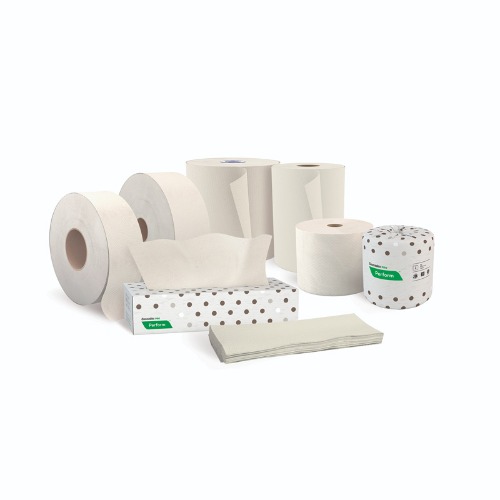
Key Performance Metrics: Tensile Strength, MVTR, and Sterilization Compatibility
Medical films must withstand manufacturing, packaging, and clinical handling. Below is a comparison of critical mechanical and barrier properties for different medical grades:
| Grade | Tensile Strength (MD, MPa) | Elongation at Break (%) | MVTR (g/m²/24h) | Sterilization Compatibility |
|---|---|---|---|---|
| Standard PU film | 25–35 | 400–600 | 800–1000 | EtO, Gamma (up to 25 kGy) |
| High-moisture vapor transmission film | 15–25 | 300–500 | 1500–2000 | EtO, E-beam |
| Reinforced composite film | 40–60 | 200–350 | 400–700 | Gamma (up to 50 kGy), EtO |
Hangzhou Zhongcheng Material Technology Co., Ltd.'s Medical Film Expertise
Hangzhou Zhongcheng Material Technology Co., Ltd. is an innovative enterprise specializing in the research, development, production and sales of plastic films, including medical films. The company provides customers with high-performance film products with advanced technology and production equipment, complete product performance testing methods, and a reliable quality assurance system. Our medical films are manufactured in ISO Class 8 cleanroom environments and validated for endotoxin levels below 0.5 EU/mL.
Why Is Sterile Film Tissue Packaging Critical?
Sterilization Methods (EtO, Gamma, E-beam)
Sterile film tissue packaging requires compatibility with terminal sterilization while maintaining seal integrity and material properties. Each sterilization modality imposes different constraints:
- Ethylene Oxide (EtO): Requires aeration to remove residuals; film must allow gas permeation.
- Gamma irradiation: Can cause polymer chain scission or crosslinking; stabilizers may be needed.
- E-beam: Faster than gamma but lower penetration; suitable for thinner films.
Seal Integrity and Shelf Life Validation
Packaging validation follows ASTM F1929 (dye penetration) and ASTM F88 (seal strength). Typical requirements include:
| Parameter | Acceptance Criteria | Test Method |
|---|---|---|
| Seal strength (peel) | ≥ 1.5 N/15 mm | ASTM F88 |
| Dye penetration | No migration beyond seal edge | ASTM F1929 |
| Accelerated aging (40°C/75% RH) | Retain ≥90% initial seal strength at 6 months equivalent | ASTM F1980 |
Is Biodegradable Film Tissue Material Viable for Medical Use?
Biopolymer Options (PLA, PHA, Cellulose)
The development of biodegradable film tissue material aims to reduce medical waste footprint. Candidate polymers include:
- PLA (Polylactic acid): Compostable under industrial conditions, but limited MVTR and flexibility.
- PHA (Polyhydroxyalkanoates): Marine biodegradable, better moisture barrier than PLA.
- Regenerated cellulose: High MVTR, but requires plasticizers for flexibility.
Degradation Timeline vs. Product Shelf Life
A critical challenge is balancing degradation rate with required shelf life (typically 2–5 years for medical devices). Below is a comparison of biopolymer stability:
| Material | Shelf Life Stability (years @ 25°C/50% RH) | Degradation Onset (industrial compost) | MVTR (g/m²/24h) |
|---|---|---|---|
| PLA (amorphous) | 1–2 (hydrolysis risk) | 8–12 weeks | 400–600 |
| PHA (PHB/HV copolymer) | 2–3 | 6–8 weeks | 200–400 |
| Cellulose acetate (plasticized) | 3–5 | 12–24 weeks | 600–900 |
Balancing Sustainability with Barrier Performance
For single-use medical items like surgical drapes or wound contact layers, compostability must not compromise patient safety. Hybrid structures (e.g., thin biopolymer coated onto conventional film) are under development to meet both goals.
How Does Film Tissue Achieve Breathable Waterproof Properties?
Microporous vs. Hydrophilic Non-Porous Technologies
Film tissue breathable waterproof performance is achieved through two primary mechanisms:
- Microporous films: Contain pores (0.1–0.5 μm) that allow vapor diffusion but block liquid water (hydrostatic head > 100 cm).
- Hydrophilic non-porous films: Use molecular diffusion through polymer chains; no pores, so absolute barrier to bacteria/viruses.
Water Entry Pressure and Moisture Vapor Transmission Rate (MVTR) Comparison
Below is a technical comparison of these two breathable waterproof technologies:
| Parameter | Microporous Film (e.g., ePTFE) | Hydrophilic Non-Porous (e.g., Polyester-based) |
|---|---|---|
| MVTR (g/m²/24h) | 800–1600 | 400–1200 |
| Water Entry Pressure (cm H₂O) | >150 | >200 |
| Bacterial Filtration Efficiency (BFE) | >99% (if pore size <0.3 μm) | >99.9% (inherently sterile barrier) |
| Typical Medical Use | Surgical gowns, wound dressings | Sterile barrier packaging, incise drapes |
Application in Advanced Wound Care
Modern wound dressings often combine both technologies: a microporous outer layer for breathability and a hydrophilic wound contact layer for fluid management and atraumatic removal.
Why Trust Hangzhou Zhongcheng for Film Tissue Solutions?
About Hangzhou Zhongcheng Material Technology Co., Ltd.
Hangzhou Zhongcheng Material Technology Co., Ltd. is an innovative enterprise specializing in the research, development, production and sales of plastic films, food-grade films, medical films, PE/CPP, and military anti-rust films. The company provides customers with high-performance film products with advanced technology and production equipment, complete product performance testing methods, reliable quality assurance system, valuable pre-sales technical support and thoughtful after-sales service.
R&D Capabilities and Production Infrastructure
The company was established in 2003 with a registered capital of 100 million yuan. The Hangzhou base covers an area of 15 acres, with a factory building area of 15,000 square meters and more than 100 employees. In 2017, the company auctioned 19 acres of land in Binjiang District, Hangzhou, and built a new 25-story R&D building, Zhongcheng Building, with a total investment of 500 million yuan. It has been put into use and has an annual rental income of 30 million yuan. The building serves as the company's headquarters and houses state-of-the-art laboratories for film characterization, sterilization validation, and biocompatibility testing.
Frequently Asked Questions (FAQ)
- Q: What is the difference between film tissue and standard plastic film?
A: Film tissue typically refers to ultra-thin films (5–50 μm) engineered for medical or technical applications, with strict controls on purity, MVTR, and biocompatibility, whereas standard plastic films may lack these specialized properties. - Q: Can film tissue for wound dressing be sterilized by gamma radiation?
A: Yes, many medical-grade polyurethane and polyolefin films are gamma-stable up to 25–50 kGy. However, color change or slight embrittlement may occur; validation per ISO 11137 is required. - Q: How do I verify if a film tissue is truly medical grade?
A: Request a Device Master File (or technical file) including ISO 10993 test reports, FDA 510(k) clearance if applicable, and evidence of GMP manufacturing in a cleanroom environment. - Q: Is biodegradable film tissue material suitable for long-term implants?
A: No—biodegradable films are designed for transient use (e.g., absorbable barriers). Permanent implants require non-degradable materials like ePTFE or polypropylene. - Q: What is the typical lead time for custom film tissue formulations?
A: For established medical grades, samples can be produced in 2–4 weeks. Full validation batches typically require 8–12 weeks, depending on sterilization and packaging requirements.
References
- ISO 10993 series: Biological evaluation of medical devices.
- ASTM F88/F88M – Standard Test Method for Seal Strength of Flexible Barrier Materials.
- ASTM F1929 – Standard Test Method for Detecting Seal Leaks in Porous Medical Packaging by Dye Penetration.
- ISO 11137 – Sterilization of health care products – Radiation.
- EU Medical Device Regulation (MDR) 2017/745.
- FDA Guidance: Use of International Standard ISO 10993-1, "Biological evaluation of medical devices – Part 1: Evaluation and testing within a risk management process" (2020).
- Karg, P., et al. "Moisture vapor transmission rates of modern wound dressings: a comparative in vitro study." Journal of Wound Care, 2021; 30(6): 456–463.