+86 139-6715-0258
 Monday to Friday 8 am. to 6 pm.
 English
 中文简体
中文简体Content
- 1 Introduction: Unveiling the Versatile World of Film Tissue
- 2 What is Film Tissue? Composition and Key Properties
- 3 Popular Types and Applications of Film Tissue
- 4 Advantages and Selection Guide
- 5 FAQ
- 5.1 Is film tissue waterproof and can it protect flowers?
- 5.2 Can film tissue be recycled or is it biodegradable?
- 5.3 What's the difference between cellophane and polypropylene film tissue?
- 5.4 How do I prevent static cling when using clear film tissue?
- 5.5 Can I print on film tissue for custom branding?
Introduction: Unveiling the Versatile World of Film Tissue
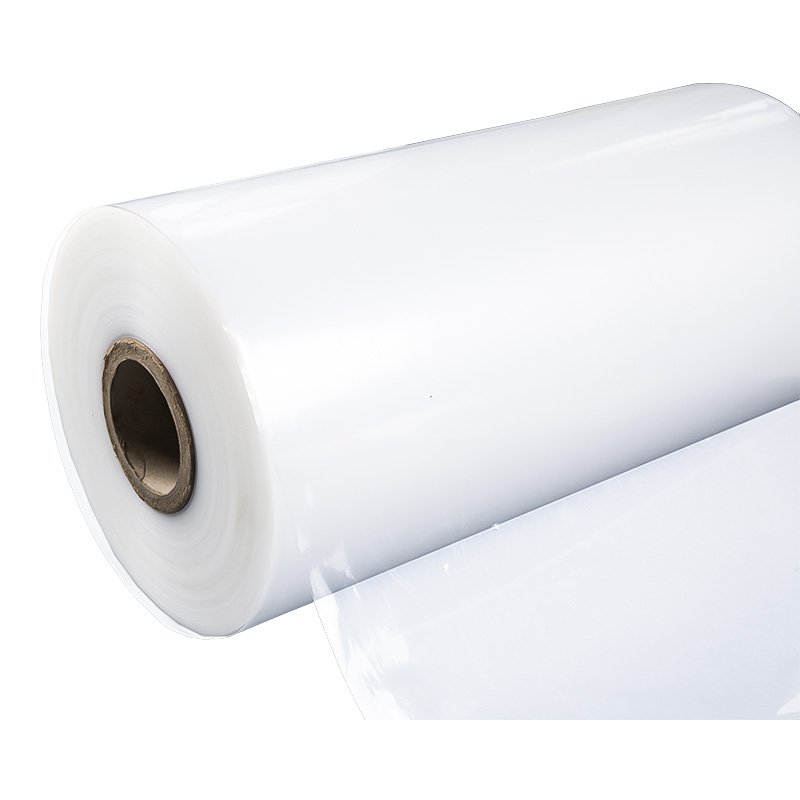
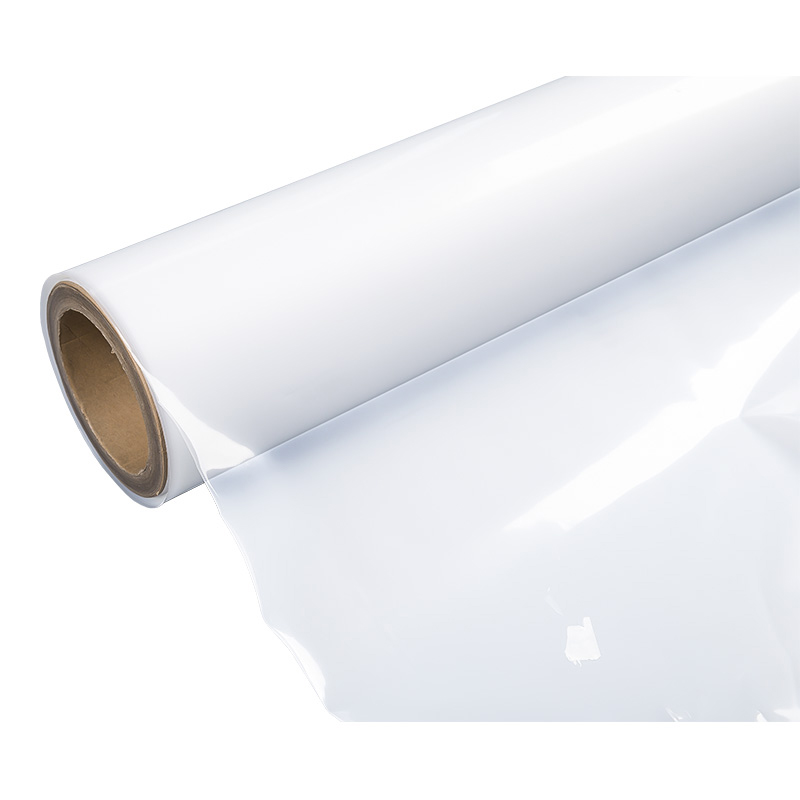
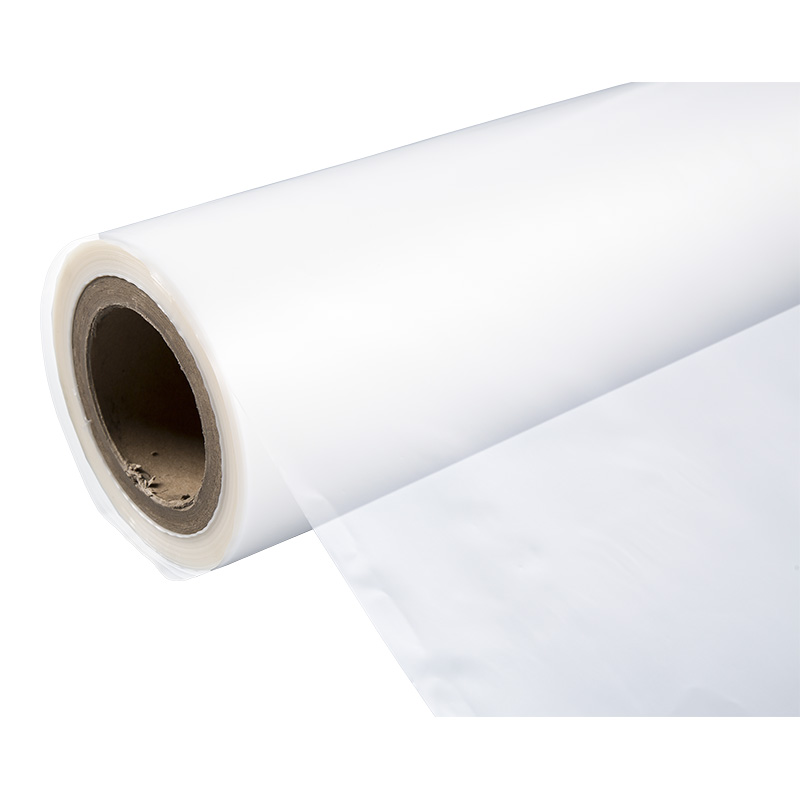
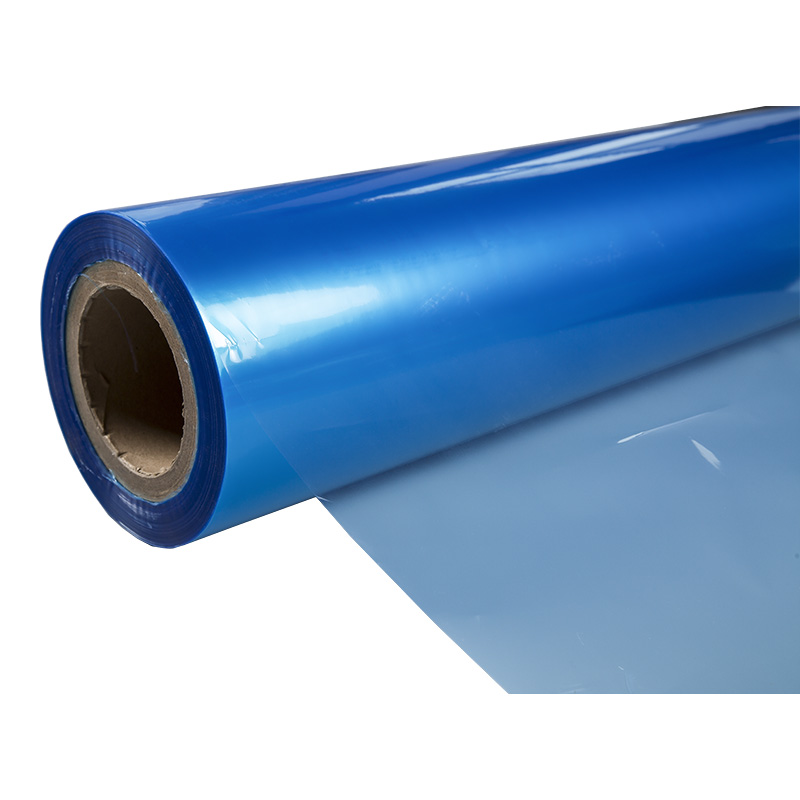
In the evolving landscape of packaging and presentation materials, a unique hybrid has risen to prominence, combining the best attributes of plastic film and delicate paper. This material is known as film tissue. At its core, film tissue is an ultra-thin, flexible sheet typically made from polymers like polypropylene or polyester, engineered to possess the soft, drapable, and crinkle-friendly texture of traditional tissue paper, but with the added performance benefits of modern plastics. This fusion creates a product that is simultaneously delicate in appearance and surprisingly robust in function. Its applications span from elevating the artistry of a florist's bouquet to providing a crystal-clear, protective window for gourmet food gifts, and from adding a touch of metallic glamour to luxury items to serving as a reliable liner in industrial contexts. The development of such a material relies on advanced extrusion and processing technologies, where precision in thickness, clarity, and surface treatment is paramount. For businesses and creatives alike, understanding the properties, types, and optimal uses of film tissue is key to unlocking new levels of product presentation, brand perception, and functional packaging. This guide delves into the specifics of this versatile material, helping you navigate its various forms and select the perfect type for your needs.
- Hybrid Innovation: Merges the aesthetic appeal of paper with the durability and functionality of plastic film.
- Broad Utility: Serves critical roles in floral design, gift packaging, retail display, and protective lining.
- Performance-Driven: Engineered for specific characteristics like water resistance, high clarity, and tensile strength.
What is Film Tissue? Composition and Key Properties
Film tissue is primarily manufactured from thermoplastic polymers, with polypropylene (PP) and polyethylene (PE) being the most common base materials due to their excellent balance of clarity, strength, and cost-effectiveness. The production process involves melting the polymer resin and extruding it into a film that is then stretched (oriented) to enhance its strength and clarity before being wound onto rolls. The result is a material that is microns thin, incredibly lightweight, and possesses a characteristic softness that allows it to be folded, crumpled, and shaped much like paper. However, unlike paper, it is inherently resistant to water and moisture, provides a superior barrier against oils and gases, and offers greater tear resistance. Its surface can be treated or coated to achieve different finishes, from high-gloss clarity to metallic sheens or matte textures, and it is often amenable to printing and heat-sealing.
- Primary Polymers: Most commonly polypropylene (PP) for stiffness and clarity, or polyethylene (PE) for softness and flexibility.
- Key Manufacturing Step: Orientation (stretching) of the film, which aligns polymer molecules to increase tensile strength and improve optical properties.
- Defining Traits: Characterized by its thin gauge (often 15-40 microns), low density, moisture resistance, and pliable, paper-like hand feel.
Popular Types and Applications of Film Tissue
The adaptability of film tissue is best demonstrated through its diverse types and the specialized applications they enable. From adding practical protection to creating visual spectacle, each variant is tailored to meet specific demands in both commercial and creative fields.
The Florist's Secret Weapon: Enhancing Bouquets
In floral design, the quest for a material that protects delicate blooms while enhancing their beauty is constant. This is where film tissue for flower wrapping becomes indispensable. Unlike traditional paper wraps that wilt and disintegrate when wet, film tissue provides a water-resistant barrier that helps retain moisture around stem ends and protects petals from rain or condensation during delivery. Its slight translucency or brilliant clarity allows the natural colors of the flowers to shine through while adding a subtle, dewy glow. Florists value its ability to hold intricate ruffles and shapes, creating volume and texture that lasts far longer than paper-based alternatives, ensuring the arrangement looks pristine from shop to recipient.
- Moisture Management: Acts as a protective sleeve, keeping stems hydrated and petals dry during transport.
- Visual Enhancement: Adds a fresh, glossy, or iridescent accent that complements floral colors without overwhelming them.
- Structural Integrity: Holds crimped and folded shapes effectively, allowing for creative and durable bouquet styling.
Crystal Clear Presentation: The Power of Transparency
For products where visibility is paramount, clear film tissue paper is the ultimate choice. This variant offers exceptional optical clarity, making it ideal for wrapping food items like cookies, chocolates, or pastries, where showcasing the product is a key sales driver. It is also widely used in gift wrapping for toys, cosmetics, and accessories, allowing the recipient a tantalizing glimpse of the contents while keeping them dust-free and protected. In retail displays, it can be used as an overlay in baskets or boxes to create a clean, professional look that invites touch and inspection. The clarity is achieved through precise polymer formulation and high-quality manufacturing processes that minimize haze and cloudiness.
- Product Showcase: Provides an unobstructed view of the contents, crucial for food and retail items.
- Hygienic Barrier: Offers a clean, non-absorbent layer between the product and the environment.
- Versatile Wrapping: Easily twisted, tied, or folded for a secure and attractive package.
Adding Sparkle and Glamour
When the goal is to convey luxury, celebration, or high fashion, metallic film tissue delivers unmatched impact. Available in a spectrum of finishes including gold, silver, rose gold, and holographic patterns, this type of film tissue is created by applying a thin metallic coating or lamination to a base film. It reflects light beautifully, adding depth and opulence to gift boxes, holiday decorations, luxury product packaging, and party favors. It is more durable and color-fast than traditional metallic papers, and its moisture resistance makes it suitable for wrapping items that might be chilled or are prone to slight dampness.
- Decorative Impact: Creates an immediate impression of luxury and special occasion.
- Durable Finish: Metallic layers are less prone to flaking or tarnishing compared to foil papers.
- Broad Use Cases: Ideal for festive gifts, high-end retail packaging, wedding accessories, and craft projects.
Understanding the Material Science: Polypropylene Film Tissue
Delving into the specifics, polypropylene film tissue represents one of the most technically advantageous forms. PP film is known for its high tensile strength, excellent clarity, and outstanding resistance to moisture, oils, and chemicals. It has a higher melting point than PE, making it suitable for applications involving moderate heat. These properties make it the go-to choice not just for premium gift wrap, but also for more demanding industrial and commercial uses. It serves as a superior protective interleaving or liner for sensitive components, a wrapping for textiles to prevent mildew, and a release layer in composite manufacturing. Understanding PP's characteristics helps in selecting the right film tissue for technically sensitive applications beyond mere decoration.
- High Performance: Offers the best combination of strength, clarity, and chemical resistance among common film tissues.
- Barrier Properties: Effective at preventing moisture vapor transmission, protecting contents from humidity.
- Industrial Applications: Used for protective wrapping, interleaving, and as a process aid in manufacturing.
Creating Elegant and Cohesive Displays
For creating stunning and professional-looking presentations, tissue film for gift baskets is a fundamental tool. It is used as a filler or "nest" inside baskets, hampers, and boxes to cradle products, prevent movement during transport, and create an attractive, uniform base that hides the mechanics of packaging. Its water-resistant nature is particularly valuable when the basket contains bath products, bottled goods, or fresh fruit, as it protects other items from potential leaks or condensation. The material can be shredded, fluffed, or neatly layered, and its range of colors and finishes allows it to be perfectly coordinated with a brand's color scheme or a holiday theme, elevating a simple collection of items into a curated gift experience.
- Presentation Foundation: Creates volume, color coordination, and a polished look inside containers.
- Protective Cushioning: Helps secure items in place and provides a gentle protective layer between them.
- Thematic Flexibility: Available in solids, metallics, and prints to match any season or branding requirement.
Advantages and Selection Guide
Choosing film tissue over traditional materials involves weighing a set of distinct advantages that impact both aesthetics and practicality. Its unique position in the material spectrum offers solutions to common packaging and presentation challenges.
Why Choose Film Tissue Over Traditional Materials?
When compared to standard tissue paper or cellophane, film tissue presents a compelling case. Traditional tissue paper is highly absorbent, prone to tearing when wet, and offers no barrier properties. Cellophane, while clear and glossy, is more rigid, can crackle loudly, and is hydrophilic (absorbs water), causing it to become limp. Film tissue bridges this gap effectively.
| Material | Key Advantages | Common Limitations |
| Film Tissue | Water-resistant, high tear strength, excellent clarity/color, good drape and shape-holding, often recyclable (PP/PE). | Can have static cling, synthetic origin (if sustainability is a concern). |
| Traditional Tissue Paper | Biodegradable, soft matte finish, excellent absorbency for crafts. | Fragile when wet, poor barrier properties, tears easily. |
| Cellophane | High gloss, plant-based (from cellulose), good clarity. | Absorbs water and loses integrity, less flexible, can be noisy. |
How to Choose the Right Film Tissue for Your Project
Selecting the optimal film tissue requires assessing your project's primary needs. Follow this decision framework: First, identify the primary function: is it for protection (choose heavier gauge polypropylene film tissue), display (choose clear film tissue paper), or decoration (choose metallic film tissue or colored varieties)? Second, consider the environment: will it be exposed to moisture, as with film tissue for flower wrapping? Third, factor in processing: do you need to print on it or heat-seal it? Finally, consider sustainability goals: look for mono-material PP or PE options that are more easily recyclable in certain streams compared to complex laminates.
- Define the Need: Start with the core requirement: protection, visibility, or aesthetic enhancement.
- Assess the Environment: Moisture, oil, or physical abrasion will dictate the necessary material grade and thickness.
- Process Compatibility: Ensure the film is suitable for any printing, cutting, or sealing processes in your workflow.
FAQ
Is film tissue waterproof and can it protect flowers?
Yes, one of the defining features of most film tissue, especially types made from polypropylene or polyethylene, is that it is waterproof and moisture-resistant. This makes film tissue for flower wrapping exceptionally effective at protecting floral arrangements. It creates a barrier that prevents water from the stems from damaging the outer wrapping and also shields the bouquet from external moisture like rain. It helps maintain a hydrated microclimate around the stem ends when used as a full wrap, extending the freshness of the flowers during delivery.
Can film tissue be recycled or is it biodegradable?
The recyclability of film tissue depends on its polymer type and local recycling facilities. Most polypropylene film tissue (PP) and polyethylene (PE) film tissues are technically recyclable as #5 and #4 plastics, respectively. However, they are thin films and often need to be recycled through specific "plastic bag/film" drop-off programs at retail stores, not typically in curbside bins. It is generally not biodegradable in the short term. For a more eco-friendly option, look for film tissues made with a high percentage of recycled content or those labeled as specifically designed for compatibility with commercial composting, though these are less common.
What's the difference between cellophane and polypropylene film tissue?
While both are clear films, their origins and properties differ significantly. Cellophane is made from regenerated cellulose (plant pulp), making it a biobased material. It is very clear and stiff but is hydrophilic, meaning it absorbs water and becomes weak and limp. Polypropylene film tissue is a petroleum-based polymer film. It is also very clear (often more consistently so), but it is hydrophobic (water-repelling), stronger, more durable when wet, and has better heat resistance. Polypropylene is the modern, performance-oriented choice for most applications where moisture protection is needed.
How do I prevent static cling when using clear film tissue?
Static cling is a common issue with thin plastic films, including clear film tissue paper, especially in low-humidity environments. To prevent it, you can: 1) Use an anti-static spray lightly on the work surface or on the film itself (test on a small area first). 2) Increase humidity in the work area with a humidifier. 3) Handle the film slowly and gently to minimize friction that generates charge. 4) Some premium film tissues are manufactured with anti-static additives or coatings to mitigate this problem inherently.
Can I print on film tissue for custom branding?
Yes, many types of film tissue are printable and are excellent substrates for custom branding. Flexographic and rotogravure printing are commonly used for high-volume runs on film tissues, allowing for vibrant colors and sharp graphics. For shorter runs or customization, digital printing technologies are increasingly compatible with treated polymer films. The key is to use a film grade with a treated or corona-treated surface that allows inks to adhere properly. This makes it possible to create custom-printed tissue film for gift baskets, branded flower wraps, or unique gift packaging that reinforces brand identity.