+86 139-6715-0258
 Monday to Friday 8 am. to 6 pm.
 English
 中文简体
中文简体Content
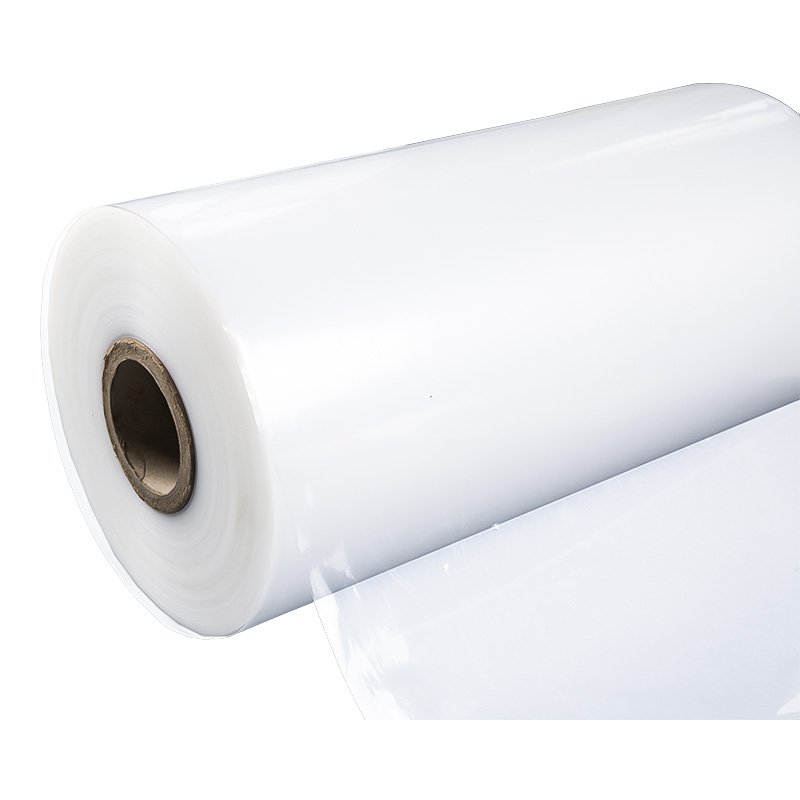
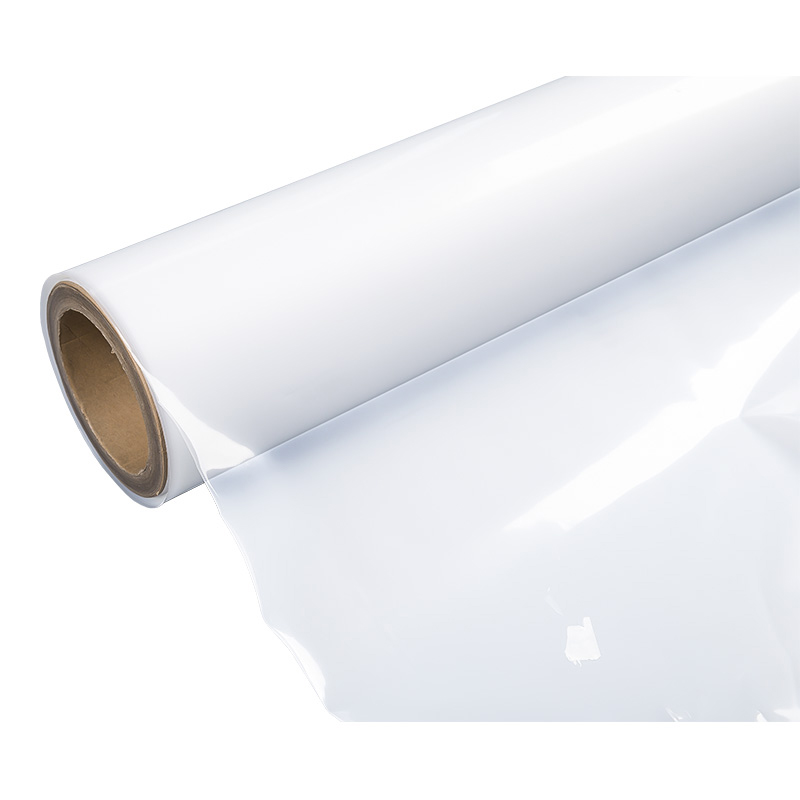
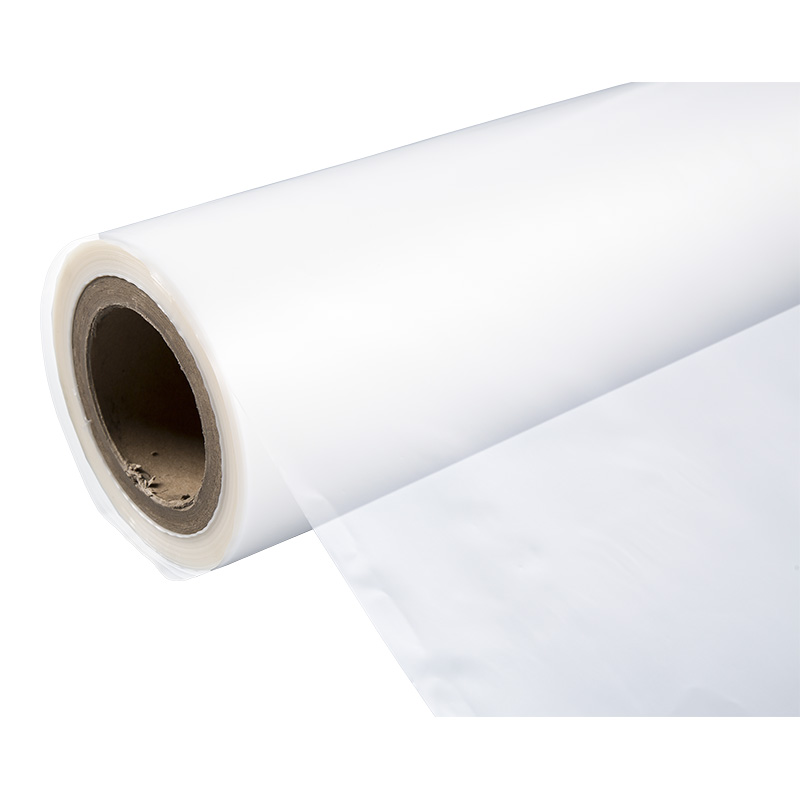
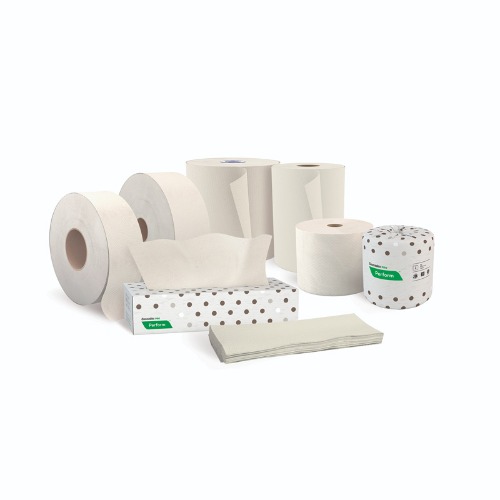
In the specialized world of industrial adhesives and material carriers, the term film tissue refers to a high-performance hybrid substrate engineered to provide the conformability of tissue paper with the mechanical robustness of polymer films. While standard paper tissue is often sufficient for basic absorbent or lightweight tasks, modern manufacturing demands a carrier that can withstand the rigors of high-speed lamination, thermal cycling, and chemical exposure. At LEANON Petroleum Technology Co., Ltd., we apply our rigorous IATF 16949 quality standards and CNAS laboratory expertise to understand the molecular interactions between carriers and adhesives, ensuring that our petrochemical-derived components contribute to the highest tier of material performance.
Durability and Mechanical Strength Comparison
The fundamental difference between these two substrates lies in their tensile properties. Standard paper tissue relies on short-fiber cellulose bonds, which are prone to "dusting" and catastrophic failure when subjected to shear stress. In contrast, film tissue incorporates a synthetic reinforcement layer that drastically increases its break strength. This makes it the ideal candidate for a double sided film tissue tape for high temperature bonding, as the film carrier prevents the adhesive from bleeding through or the substrate from shrinking when exposed to heat levels that would typically char or embrittle standard paper.
| Mechanical Property | Standard Paper Tissue | film tissue (Reinforced) |
| Tensile Strength (MD) | Low (Easily torn) | High (Integrated polymer support) |
| Elongation at Break | Minimal (<2%) | Significant (5% - 15%) |
| Thermal Stability | Poor (Discolors/Degrades) | Excellent (Maintains structural memory) |
Performance in Specialized Applications
According to a 2024 report by the Association of the Nonwoven Fabrics Industry (INDA), the transition toward ultra-thin composite substrates is accelerating due to the miniaturization of consumer electronics and the need for high-performance bonding in localized environments. The demand for an ultrathin film tissue carrier for electronic component mounting has surged as engineers seek to maximize internal space without sacrificing the bonding surface area. Standard paper tissue cannot be manufactured at such low gauges without losing its physical integrity, whereas film-based hybrids maintain a consistent thickness profile even at micron levels.
Source: INDA: Global Trends in Advanced Nonwoven and Composite Substrates 2024
Automotive and Healthcare Integration
The versatility of film tissue extends to the automotive sector, where a high tack film tissue adhesive for automotive interior trim must resist the off-gassing of plasticizers and the constant vibrations of the vehicle. In medical fields, the development of breathable film tissue membranes for medical grade applications has enabled the creation of dressings that provide a bacterial barrier while allowing for moisture vapor transmission, a feat impossible for standard untreated paper tissue.
- Vibration Damping: Film carriers absorb mechanical energy more effectively than rigid paper fibers.
- Barrier Properties: Non-porous film layers prevent moisture and oil migration.
- Conformability: Hybrid tissues can wrap around complex 3D geometries without wrinkling.
Chemical Compatibility and Adhesive Carriage
Adhesive selection is critical when choosing a carrier. Standard paper tissue is highly porous, which often leads to "over-saturation" where the adhesive soaks into the fiber, leaving less on the surface for bonding. film tissue acts as a controlled barrier, ensuring the adhesive remains concentrated at the interface. This is particularly important for the development of eco-friendly film tissue materials for sustainable packaging solutions, where bio-based adhesives require a stable, non-reactive carrier to maintain their shelf life and bonding efficiency in diverse environmental conditions.
| Processing Factor | Standard Paper Base | film tissue Base |
| Adhesive Retention | Poor (High absorption/waste) | Optimized (Uniform coating) |
| Chemical Resistance | Low (Sensitive to acids/oils) | High (Inert polymer barrier) |
| Precision Die-cutting | Edges may fray or tear | Clean, sharp edges with no lint |
Industry Trends and Global Standards
Recent 2025 market statistics from the International Organization for Standardization (ISO) highlight the increasing importance of IATF 16949 and ISO 9001 certifications in the supply of industrial carriers. As an integrated petrochemical enterprise founded in 2017, LEANON Petroleum Technology Co., Ltd. produces 150,000 tons annually across 80,000 square meters, ensuring that the raw materials used in the production of high-performance tissues meet these global benchmarks. Our CNAS national laboratory accreditation allows us to simulate the extreme stresses placed on film tissue to ensure failure-free performance in global supply chains.
Source: ISO Standards: Quality Management Systems for Automotive and Manufacturing 2025
FAQ
Why is film tissue preferred over paper for double-sided tapes?
A double sided film tissue tape for high temperature bonding is superior because the film layer prevents the carrier from splitting under heat and tension. While paper might delaminate or "pulp" when pulled, the film hybrid maintains its shape, ensuring a secure bond even as the engine or electronic device heats up.
Can film tissue be used for sensitive skin in medical products?
Yes. breathable film tissue membranes for medical grade applications are engineered specifically for skin contact. They combine the softness of tissue with a microporous film that allows the skin to "breathe" while preventing external contaminants from reaching a wound.
Is film tissue more expensive than regular paper carriers?
While the initial cost per meter is higher, the performance benefits lead to lower total costs. Using a high tack film tissue adhesive for automotive interior trim reduces the risk of part failure and re-work, and the use of eco-friendly film tissue materials for sustainable packaging solutions helps companies avoid plastic waste penalties in many regions.
How thin can these carriers actually be?
An ultrathin film tissue carrier for electronic component mounting can be as thin as 5 to 10 microns. At this thickness, standard paper would be impossible to handle without breaking, but the film reinforcement provides the necessary tensile strength for automated assembly lines.
How does the environmental impact compare?
Modern film tissue technology is increasingly shifting toward compostable or recycled polymers. By sourcing eco-friendly film tissue materials for sustainable packaging solutions, manufacturers can achieve the high-performance bond of synthetic materials while adhering to national environmental regulations and green corporate mandates.