+86 139-6715-0258
 Monday to Friday 8 am. to 6 pm.
 English
 中文简体
中文简体Content
- 1 Material Fundamentals: Structure and Composition
- 2 Core Property 1: Sterilization Compatibility
- 3 Core Property 2: Barrier Characteristics
- 4 Core Property 3: Forming and Sealability - Realizing the Barrier
- 5 Comparative Analysis and Material Selection Framework
- 6 Quality Systems and Regulatory Compliance
- 7 Frequently Asked Questions (FAQ)
- 7.1 1. Why is the film blue, and does the color affect performance?
- 7.2 2. How is the "peelability" of the seal quantified and tested?
- 7.3 3. Can a single film be compatible with all major sterilization methods?
- 7.4 4. What is the most critical parameter for ensuring the long-term shelf life of a moisture-sensitive device?
- 7.5 5. What documentation should a medical device manufacturer require from a film roll supplier?
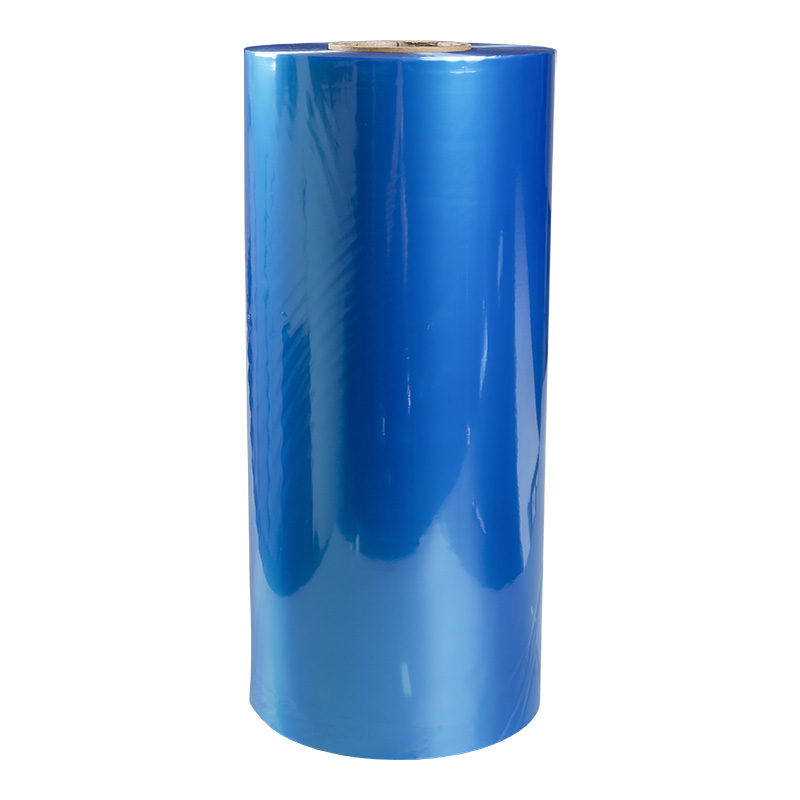
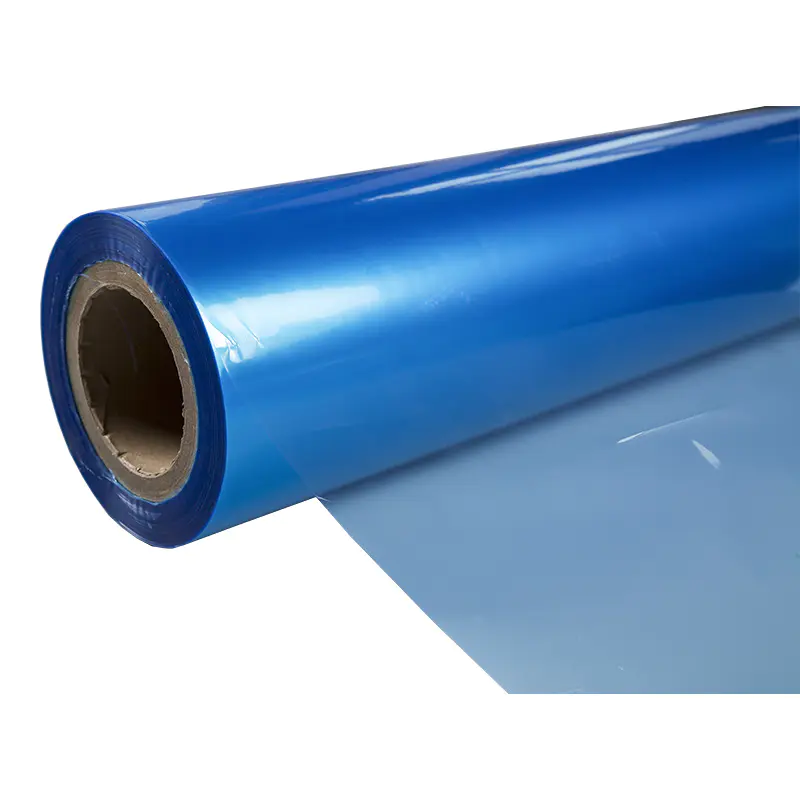
The integrity of sterile barrier systems (SBS) is non-negotiable in medical device manufacturing. The Blue Medical Device Packaging Film Roll serves as a critical component, often forming the transparent lid or pouch that allows for device visibility while protecting sterility. Its performance is defined by two fundamental pillars: compatibility with aggressive sterilization modalities and the maintenance of robust, long-term barrier properties. This technical analysis examines these properties from a materials science and regulatory perspective, providing engineers and quality professionals with the criteria for specification and validation.
Material Fundamentals: Structure and Composition
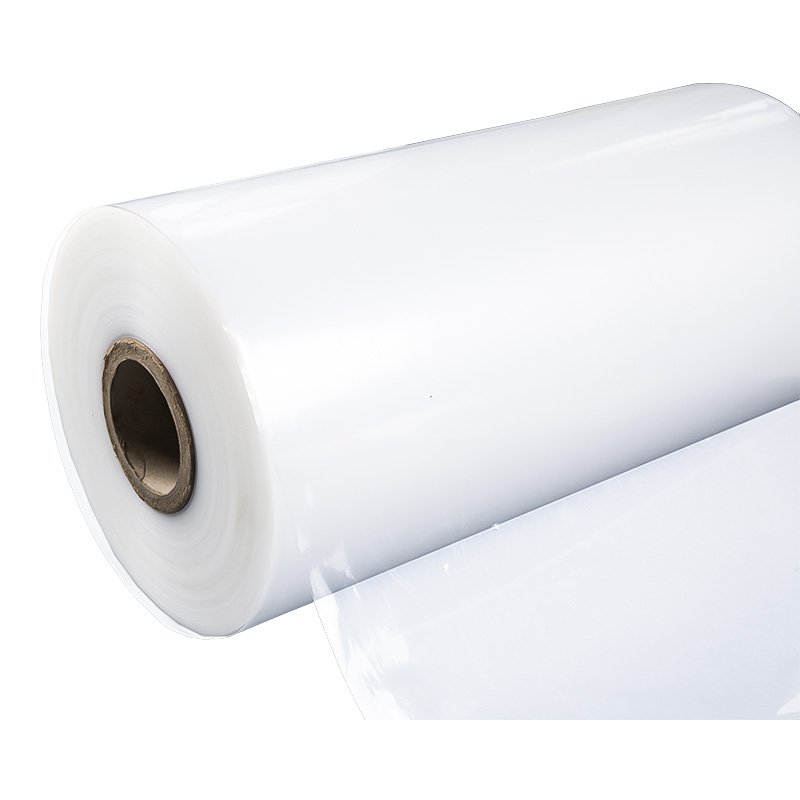
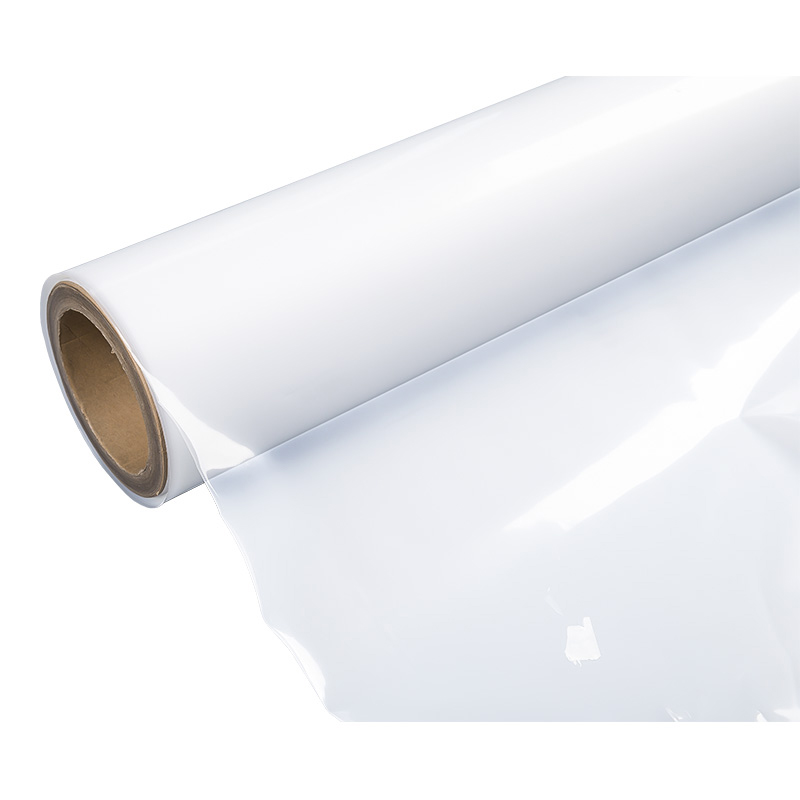
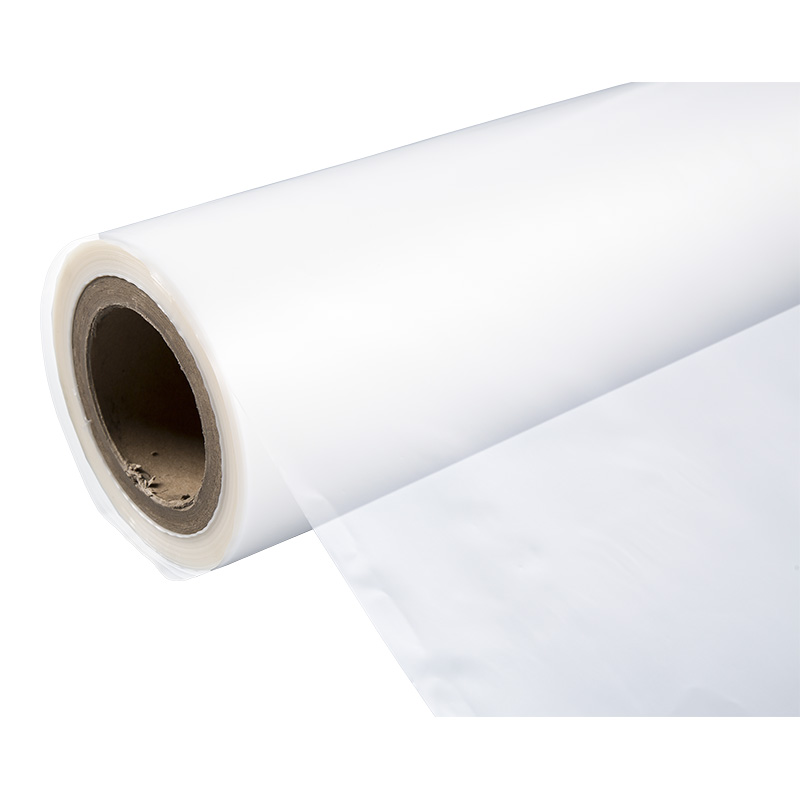
High-performance medical packaging films are engineered as multi-layer co-extruded structures. Each layer serves a distinct function: a sealant layer (typically polyethylene-based) for hermetic bonding to a tray or another film, a bulk core layer for toughness and dimensional stability, and often a functional barrier layer. The iconic blue color is achieved by adding compliant, non-migratory pigments or masterbatches that must not interfere with sealing, sterilant penetration, or the film's chemical inertness. This engineered structure is the foundation for all subsequent barrier and sterilization performance.
Core Property 1: Sterilization Compatibility
The film must not only allow the sterilizing agent to penetrate and reach the device but also withstand the process without degrading its critical properties.
Sterilization Methodologies and Material Response
The choice of sterilization—Ethylene Oxide (EtO), Gamma Radiation, Electron Beam (E-beam), or Steam—dictates specific material requirements. For instance, a blue medical film roll for gamma radiation sterilization must be formulated with polymers and additives that resist chain scission and embrittlement caused by high-energy photons. The blue colorant itself must exhibit exceptional color stability, preventing fading or discoloration that could indicate degradation or confuse visual inspection.
Key Compatibility Factors
- Penetration: The film must be permeable to the sterilant (e.g., EtO gas, steam vapor) while maintaining a microbial barrier.
- Material Integrity: Post-sterilization, the film must retain its tensile strength, seal integrity, and flexibility. Testing for changes in physical properties is a standard part of validation protocols (ISO 11607-1).
- Chemical Safety: The sterilization process must not cause the film to generate unacceptable levels of leachables or non-volatile residues (NVR) that could contaminate the device.
Core Property 2: Barrier Characteristics
The barrier function is a two-fold mandate: preventing microbial ingress and protecting the device from environmental factors.
Microbial Barrier
As a non-porous, monolithic film, it provides an absolute barrier to microorganisms like bacteria and mold spores, provided integrity is maintained. This is in direct contrast to porous materials like Tyvek®, which rely on a tortuous path barrier.
Physicochemical Barrier Metrics
Quantifiable barrier properties are critical for device stability. A primary metric is the Moisture Vapor Transmission Rate (MVTR). For hygroscopic devices or those requiring long shelf lives, a low-moisture vapor transmission rate blue film roll is essential. This low MVTR, often achieved with polypropylene (PP) or specific polyester (PET) layers, prevents moisture uptake that could lead to device corrosion, delamination, or loss of function. Similarly, oxygen transmission rate (OTR) is controlled to prevent oxidation of sensitive components.
Core Property 3: Forming and Sealability - Realizing the Barrier
Barrier performance is only theoretical until a secure, hermetic seal is created.
Thermoforming and Peelable Seal Performance
The film must have a consistent and wide thermal forming window for complex tray designs. More critically, it must create a reliable, peelable seal. The peelable blue medical packaging film roll specifications define this crucial interface. The seal must be strong enough to withstand distribution hazards (tested per ASTM F88) yet allow for clean, predictable, and aseptic opening by healthcare professionals. This involves precise control of seal layer chemistry to achieve the desired peel force and peel mode (consistent or burst).
Comparative Analysis and Material Selection Framework
Selecting the right material involves a systematic comparison of available options. A classic evaluation is blue tyvek vs blue medical film roll for sterilization. While both are used in sterile barrier systems, their properties and applications differ significantly.
| Property / Material | Blue Medical Packaging Film Roll | Blue Tyvek® (Spunbonded Olefin) |
| Barrier Type | Absolute (Monolithic) | Relative (Tortuous Path) |
| Moisture Vapor Transmission (MVTR) | Very Low | High (Breathable) |
| Sterilization Compatibility | Excellent for EtO, Gamma, E-beam. Poor for Steam. | Excellent for EtO, Steam, Gamma. Poor for E-beam. |
| Sealing Modality | Heat Seal (to itself or compatible rigid trays) | Heat Seal, Adhesive Seal |
| Primary Application | Forming Lids, Pouches for moisture-sensitive devices. | Pouches, Lids for devices requiring steam sterilization or breathability. |
Quality Systems and Regulatory Compliance
Procurement must be governed by stringent quality agreements. Essential blue medical device packaging film roll supplier certification includes evidence of compliance with ISO 13485 for quality management systems, USP Class VI or ISO 10993 biological evaluation reports for biocompatibility, and full chemical composition disclosure. The supplier's change control process is as critical as the initial qualification, as any alteration in resin, pigment, or process can impact validation status.
The regulatory landscape is continuously evolving. According to a 2024 industry briefing by the Association for the Advancement of Medical Instrumentation (AAMI), the ongoing revision of the pivotal ISO 11607 series on packaging for terminally sterilized medical devices places increased emphasis on the science-based justification of packaging material selection. The guidance encourages a deeper understanding of how material properties, such as the precise MVTR of a low-moisture vapor transmission rate blue film roll, directly correlate to the stability profile of specific device types. Concurrently, the European Union's Medical Device Regulation (MDR) continues to drive stringent supplier audits and technical documentation requirements, making comprehensive blue medical device packaging film roll supplier certification dossiers more vital than ever for market access.
Source: Association for the Advancement of Medical Instrumentation (AAMI) - Standards Updates
Frequently Asked Questions (FAQ)
1. Why is the film blue, and does the color affect performance?
The blue tint provides high visual contrast against most operating room backgrounds and stainless steel trays, aiding in the detection of packaging defects, tears, or particulate matter. The colorants used are specifically selected and tested for biocompatibility and must not migrate, affect seal strength, or degrade during sterilization, ensuring no negative impact on the core performance properties.
2. How is the "peelability" of the seal quantified and tested?
Peelability is rigorously quantified. The key metric is seal peel strength, measured in N/15mm or lbf/in per ASTM F88. A specification for a peelable blue medical packaging film roll will define a target range (e.g., 1.5 - 3.0 N/15mm) to ensure it is strong enough for integrity but easy to open. The peel mode (whether the seal peels consistently or with a sudden "burst") is also characterized, as it affects the ease and safety of aseptic presentation.
3. Can a single film be compatible with all major sterilization methods?
It is extremely challenging. Most films are optimized for a primary method. For example, polypropylene-based films excel with gamma and EtO but are not suitable for steam. High-temperature polymers like polyester can handle certain E-beam doses but may have different sealing characteristics. The selection of a blue medical film roll for gamma radiation sterilization will focus on radiation-resistant polymers, which may differ from the optimal formulation for EtO processing. A comprehensive sterilization validation is always required.
4. What is the most critical parameter for ensuring the long-term shelf life of a moisture-sensitive device?
For moisture-sensitive devices, the low-moisture vapor transmission rate (MVTR) of the film is the most critical packaging parameter. The shelf-life claim is directly supported by real-time or accelerated aging studies (per ISO 11607-1) that demonstrate the device remains within its functional specifications under the protective barrier provided by the film's specific MVTR. A lower MVTR directly contributes to a longer proven shelf life.
5. What documentation should a medical device manufacturer require from a film roll supplier?
Beyond standard certificates of analysis (COA), a manufacturer must obtain a comprehensive technical dossier. This includes: a Statement of Composition, USP Class VI or ISO 10993 test reports, physical property data (thickness, tensile strength), sterilization compatibility data, and barrier property certificates (MVTR, OTR). Crucially, evidence of the supplier's blue medical device packaging film roll supplier certification to ISO 13485 and a robust change notification agreement are mandatory for regulatory compliance and supply chain risk management.