+86 139-6715-0258
 Monday to Friday 8 am. to 6 pm.
 English
 中文简体
中文简体Content
- 1 1. How Matt Film Is Made: Construction and Manufacturing
- 2 2. Matte Film for Packaging Lamination: Technical Overview
- 3 3. Matte Protective Film for Printed Materials
- 4 4. Matte Film vs Glossy Film Packaging: Complete Comparison
- 5 5. Soft Touch Matte Film Lamination
- 6 6. Matt Film Industry Applications: Sector-by-Sector Overview
- 7 7. About Hangzhou Zhongcheng Material Technology Co., Ltd.
- 8 8. Frequently Asked Questions (FAQ)
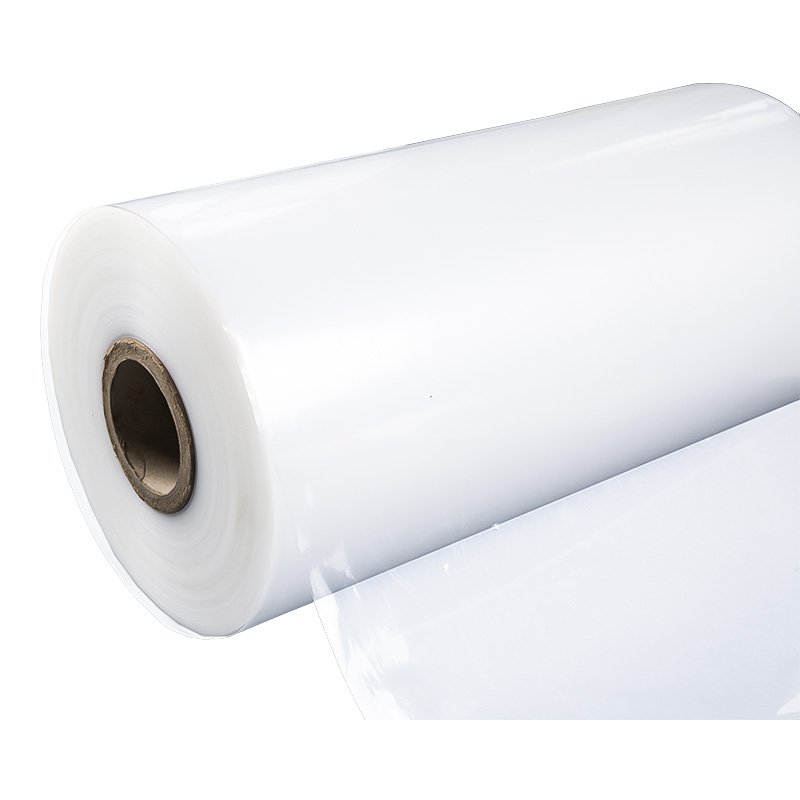
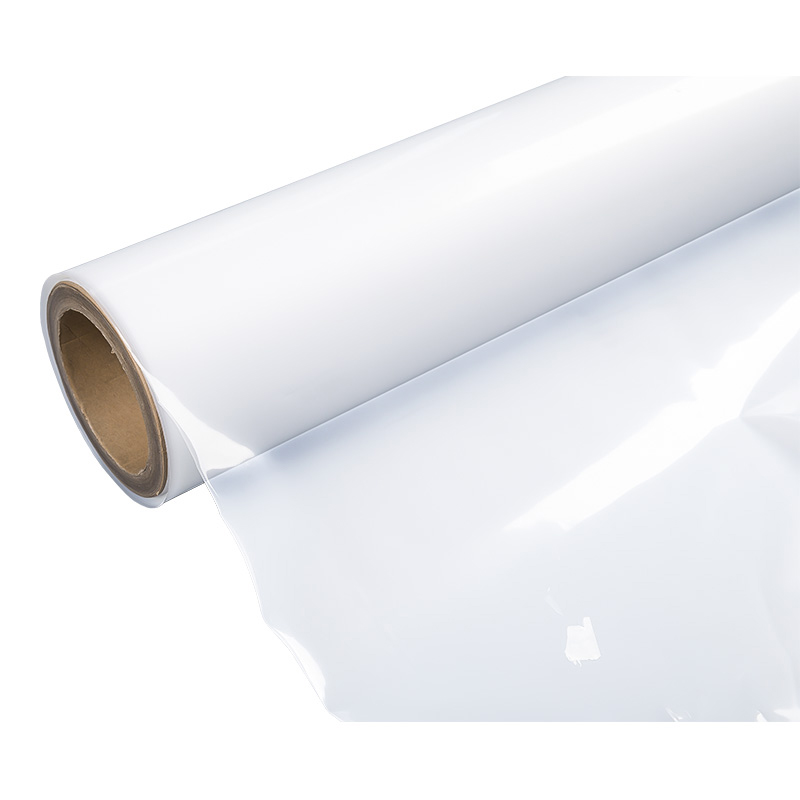
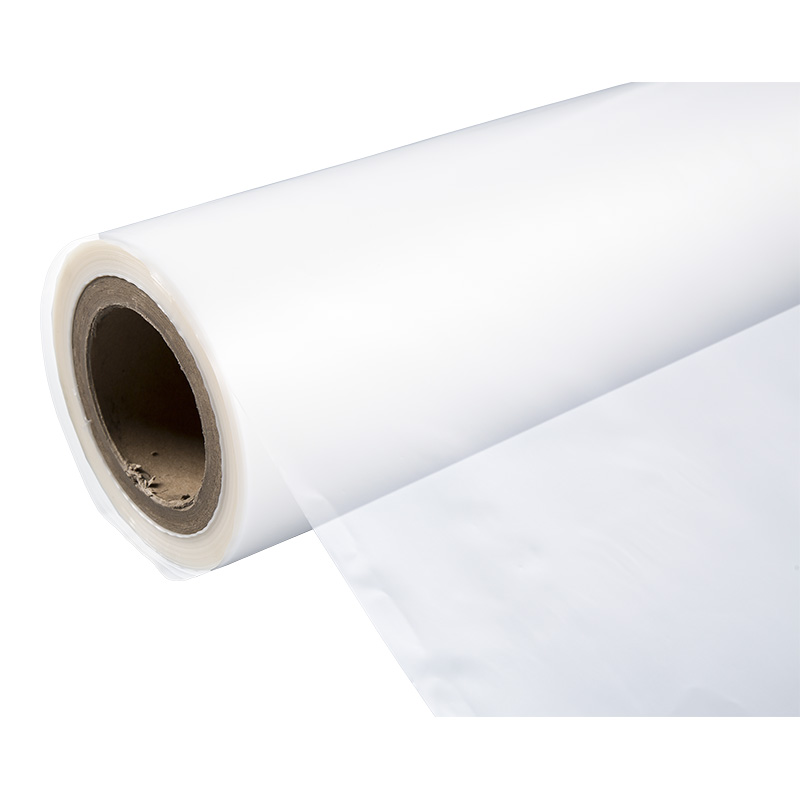
Matt film — also written as matte film — is a plastic film substrate engineered with a non-reflective, low-gloss surface that diffuses light rather than reflecting it specularly. Unlike glossy film, which maximizes light reflection to produce a bright, mirror-like surface, matt film scatters incident light across a wide angular range, producing a flat, elegant, tactile finish increasingly preferred in premium packaging, publishing, luxury branding, and functional protective applications. The controlled surface roughness that creates the matte effect is achieved through a combination of surface micro-embossing during film extrusion, chemical matting agents incorporated into the film resin formulation, or precision coating applied to a base film substrate. This comprehensive guide covers everything packaging engineers, print and finishing professionals, wholesale film buyers, and product developers need to know about matte film for packaging lamination, soft touch matte film lamination, matte protective film for printed materials, and the critical performance comparison of matte film vs glossy film packaging — providing the technical depth required to make confident specification and sourcing decisions.
1. How Matt Film Is Made: Construction and Manufacturing
Base Polymer Systems
Matt film is produced from several base polymer systems, each offering a distinct combination of optical, mechanical, and processing properties suited to different end-use applications. The dominant polymer platforms for commercial matt film production are:
- Biaxially Oriented Polypropylene (BOPP): The most widely used base polymer for matte film for packaging lamination. BOPP matt film is produced by biaxial stretching of polypropylene sheet in both machine and transverse directions, followed by surface treatment. Typical thickness: 15–40 µm. Key properties: excellent clarity in non-matte areas, high stiffness-to-weight ratio, good moisture barrier, and broad compatibility with water-based, UV, and solvent-based adhesive lamination systems.
- Polyethylene Terephthalate (PET): Used where higher temperature resistance, dimensional stability, and barrier performance are required. PET matt film (12–50 µm) is standard in applications requiring resistance to lamination processing temperatures above 100°C and in food packaging where oxygen and moisture barrier properties are critical.
- Cast Polypropylene (CPP): Softer, more flexible than BOPP; used in flexible packaging applications requiring heat-seal capability and conformability. CPP matt film (20–60 µm) is widely used as the inner sealant layer in matt-finish flexible pouches and stand-up packages.
- Polyethylene (PE): Low-density (LDPE) and linear low-density (LLDPE) matt films used in stretch wrap, agricultural mulch film, and surface protection applications where flexibility and elongation are prioritized over stiffness and optical clarity.
- Nylon (PA6 / PA66): Biaxially oriented nylon (BON) matt film provides superior puncture resistance and oxygen barrier; used in vacuum packaging of meats, cheeses, and other foods where both barrier performance and premium matte aesthetics are required.
Matte Surface Generation Methods
The specific technical method used to create the matte surface in matt film production determines the uniformity, durability, and tactile character of the finish. Three principal methods are commercially employed:
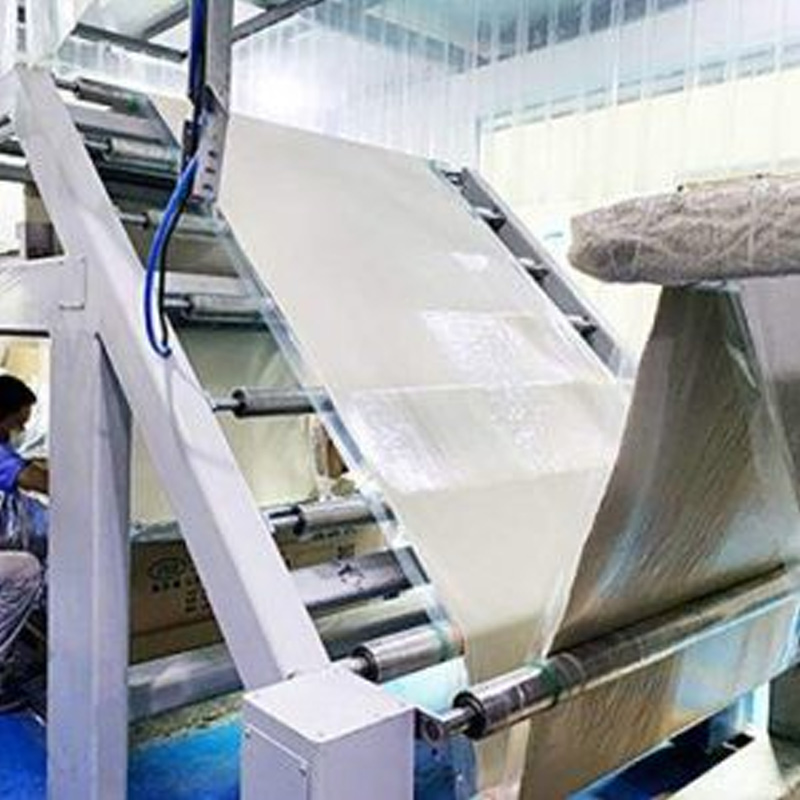
- Matting agent incorporation (in-resin): Inorganic particles — typically precipitated silica (SiO₂), calcium carbonate (CaCO₃), or specialty polymeric beads — are compounded into the film resin at the masterbatch mixing stage. During film processing, these particles protrude slightly from the film surface, creating a controlled micro-roughness (Ra: 0.3–1.5 µm) that diffuses reflected light. This method produces the most durable matte surface because the matting agents are integral to the film structure and cannot be abraded off during downstream processing.
- Surface embossing / micro-structuring: The film surface is passed over a precision-engraved embossing roller under controlled temperature and pressure during the casting or orientation process, imparting a fine geometric surface texture that scatters reflected light. Embossed matte surfaces have a distinctive tactile character and can be designed with specific gloss levels (GU values from 2 to 30 at 60° geometry per ISO 2813).
- Matte coating: A formulated matte lacquer — based on UV-curable acrylate, water-based polyurethane, or solvent-based nitrocellulose chemistry — is applied to the film surface by gravure, slot-die, or reverse-roll coating. Matte coating allows post-production adjustment of gloss level and can incorporate functional additives (anti-static, slip, anti-block, anti-microbial) into the matte layer. Used in matte protective film for printed materials and premium soft touch matte film lamination products.
Corona Treatment and Surface Energy
All commercial matt film substrates undergo corona discharge treatment on the lamination or printing face during production to raise the surface energy from the naturally low level of polyolefin films (approximately 30–32 mN/m for untreated PP) to the minimum 38–42 mN/m required for adequate ink adhesion and lamination bond strength. Surface energy is verified by dyne pen or contact angle measurement at goods receipt; film with surface energy below 36 mN/m should be rejected or re-treated before use, as insufficient surface energy is a leading cause of delamination and ink adhesion failure in laminated packaging.
2. Matte Film for Packaging Lamination: Technical Overview
Matte film for packaging lamination is the largest single application category for matt film globally, driven by the sustained preference for premium matte aesthetics in food, beverage, personal care, pharmaceutical, and luxury goods packaging. Lamination refers to the process of bonding the matt film to a printed substrate (paper, paperboard, flexible film, or aluminum foil) using an adhesive system, creating a composite structure that combines the printability and structural properties of the substrate with the visual and protective properties of the matt film overlay.
Lamination Process Types
Commercial matte film for packaging lamination is processed using four principal lamination technologies, each with distinct performance and cost profiles:
- Thermal (hot melt) lamination: The matt film is pre-coated with a heat-activatable adhesive (EVA or polyolefin-based); the film is bonded to the printed substrate by passing through heated nip rollers at 70–120°C. No solvent or drying stage required. Fast, economical, and suitable for most paper and board lamination applications. Standard for matte film for book cover lamination and carton lamination.
- Wet (water-based adhesive) lamination: A water-based adhesive is applied to the printed substrate; the matt film is pressed onto the adhesive layer and dried in an oven tunnel. Produces flexible, peel-resistant bonds with good clarity. Preferred for multi-layer flexible packaging structures.
- Solvent-based dry lamination: A solvent-borne adhesive is applied to the film or substrate, the solvent is evaporated in a drying oven, and the surfaces are bonded under pressure at the nip. Produces the highest initial bond strength; required for demanding applications including retort packaging and vacuum-forming laminations.
- Solventless lamination: A 100% solids (no solvent) reactive polyurethane adhesive is applied at very low coat weight (1.5–3.0 g/m²) and cured by chemical reaction after bonding. Zero VOC emissions; fastest growing technology in flexible packaging lamination; compatible with most matte film for packaging lamination substrates.
Key Lamination Performance Parameters
| Parameter | Typical Value / Range | Test Method |
|---|---|---|
| Gloss level (matte face) | 2–15 GU (at 60° geometry) | ISO 2813 |
| Haze | 60–95% | ASTM D1003 |
| Bond strength (peel adhesion) | 1.5–4.5 N/15mm (paper delamination) | ISO 11339 / ASTM F904 |
| Film thickness | 15–40 µm (BOPP); 12–50 µm (PET) | ISO 4593 |
| Tensile strength (MD) | 80–200 MPa | ISO 527-3 |
| Elongation at break (MD) | 80–200% | ISO 527-3 |
| Surface energy (treated face) | 38–44 mN/m | ISO 8296 / ASTM D2578 |
| Moisture vapor transmission rate | 3–8 g/m²/day (BOPP, 38°C/90% RH) | ASTM E96 |
| Oxygen transmission rate | 1,500–3,500 cc/m²/day (BOPP) | ASTM D3985 |
| Heat resistance | 120°C (BOPP); 180°C (PET) | Internal processing test |
Matte Film for Book Cover Lamination
Matte film for book cover lamination is one of the highest-volume applications in the commercial print and publishing industry. Book covers, magazine covers, premium brochures, annual reports, and luxury catalogues are laminated with matt film to achieve a refined, premium aesthetic that positions the printed piece above the visual noise of standard glossy alternatives. In book cover lamination, the matt film provides three simultaneous functions:
- Visual enhancement: The matte surface creates a high-contrast backdrop for spot UV varnish or soft touch coating applied selectively over specific design elements, creating dramatic gloss-on-matte contrast effects that cannot be achieved with all-gloss lamination.
- Physical protection: The laminated film surface protects the printed ink layer from abrasion, moisture, fingerprint contamination, and light fading during handling, retail display, and use.
- Structural contribution: The biaxially oriented film layer adds stiffness and tear resistance to the paper cover substrate, improving durability and the tactile quality ("hand") of the finished piece.
Standard film specifications for book cover lamination: BOPP matt film, 17–25 µm, thermal pre-coated, gloss level 3–8 GU at 60°, bond strength ≥ 2.0 N/15mm on coated art paper, scuff resistance verified by Sutherland rub test (100 cycles minimum before visible scuffing).
3. Matte Protective Film for Printed Materials
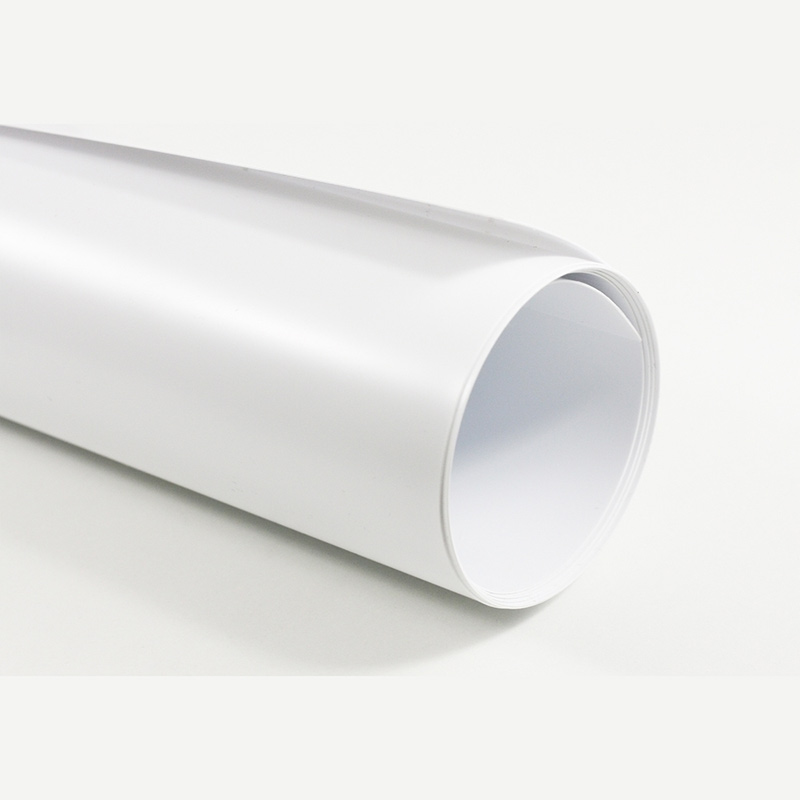
Matte protective film for printed materials encompasses a distinct product category from lamination film: rather than being permanently bonded to the substrate, protective matt film is applied as a temporary, removable surface covering that protects printed graphics, display panels, and decorative surfaces during transport, storage, fabrication, and installation — and is removed cleanly before or during end-use without adhesive residue or surface damage.
Adhesive Systems for Protective Matte Film
The adhesive system used in matte protective film for printed materials is the most technically critical component of the product, determining its bond strength to the substrate, removability without residue, and compatibility with different printed surface types:
- Low-tack acrylic adhesive: The standard choice for protecting digitally printed panels, UV-cured graphics, and screen-printed displays. Peel adhesion: 50–150 g/25mm; clean removal after 3–6 months application; no residue on coated and uncoated paper, polycarbonate, acrylic, aluminum composite panels, and PVC banner materials.
- Ultra-low-tack silicone adhesive: Used for very sensitive surfaces including fresh inkjet prints, delicate screen-printed fabrics, and high-gloss automotive wraps where even minor adhesive traces are unacceptable. Peel adhesion: 10–50 g/25mm; short-term protection (up to 30 days).
- Medium-tack rubber adhesive: Used in industrial and outdoor applications where the protective film must withstand wind, handling vibration, and temperature cycling without edge lifting. Higher peel adhesion: 200–400 g/25mm; suitable for metal, glass, and rigid plastic panel protection during fabrication and transit.
Applications of Matte Protective Film
- Protection of large-format digital prints and banners during shipping and installation
- Scratch protection for laminated book covers and printed cartons during finishing and transport
- Surface protection of printed aluminum composite panels (ACP/ACM) used in signage and architectural cladding
- Masking of printed areas during further fabrication processes (routing, drilling, CNC cutting) of printed display components
- Anti-fingerprint protection for high-touch printed surfaces in retail and exhibition environments
- Protection of printed flexible packaging during transit from converter to brand owner filling facilities
4. Matte Film vs Glossy Film Packaging: Complete Comparison
The choice between matte film vs glossy film packaging is one of the most consequential decisions in premium packaging design and specification, with direct implications for brand positioning, consumer perception, shelf standout strategy, and production process compatibility. Both film types are technically mature and commercially available across all standard polymer platforms and thickness ranges; the selection decision is therefore driven primarily by brand strategy, substrate compatibility, and the functional performance requirements of the specific packaging application.
Visual and Consumer Perception Differences
The visual distinction between matte and glossy packaging film is immediately apparent to consumers and has been extensively studied in the context of consumer psychology and purchasing behavior research. Key perceptual differences are summarized below:
- Matt film: Communicates premium quality, sophistication, restraint, and artisanal authenticity. Associated with natural, organic, and luxury product positioning. Reduces visual "noise" in complex retail shelf environments, creating a calm, distinctive presence. Fingerprints and smudges are significantly less visible on matte surfaces, maintaining a cleaner appearance throughout the product lifecycle.
- Glossy film: Communicates freshness, energy, vibrancy, and technological modernity. Colors appear more saturated and prints appear sharper due to specular light reflection enhancing apparent contrast. More immediately eye-catching under retail lighting conditions. Standard for confectionery, snack foods, and fast-moving consumer goods (FMCG) categories where brightness and shelf impact are the primary visual objectives.
Full Technical Comparison Table
| Parameter | Matt Film | Glossy Film |
|---|---|---|
| Gloss level (60° geometry) | 2–15 GU | 80–120 GU |
| Haze | 60–95% | 1–5% |
| Color appearance | Subdued, desaturated, elegant | Vivid, saturated, high-contrast |
| Fingerprint visibility | Low — diffuses fingerprint oils | High — fingerprints very visible |
| Scratch visibility | Lower — micro-texture conceals fine scratches | Higher — scratches reflect light distinctly |
| Print readability under oblique light | Excellent — no specular glare | Reduced — glare obscures print at angle |
| Brand perception | Premium, luxury, artisanal, natural | Fresh, energetic, modern, mainstream |
| Lamination bond strength | Equivalent to glossy at same adhesive weight | Equivalent |
| Hot stamping foil compatibility | Excellent — foil contrasts strongly on matte | Good — foil less distinct on glossy background |
| Spot UV varnish compatibility | Excellent — high gloss contrast achievable | Limited — low contrast on glossy base |
| Thermal sensitivity | Equivalent | Equivalent |
| Cost premium vs glossy | 5–15% higher (specialty matting agents) | Baseline |
Application Suitability by Category
| Product Category | Recommended Film Type | Rationale |
|---|---|---|
| Premium spirits and wine | Matt film | Luxury positioning; fingerprint resistance; foil contrast |
| Organic / natural foods | Matt film | Communicates natural, clean-label values |
| Confectionery / snack foods | Glossy film | Color vibrancy; shelf standout; freshness cues |
| Luxury cosmetics / skincare | Matt film (with spot UV) | Premium positioning; tactile distinction |
| Pharmaceutical cartons | Matt film | Readability under clinical lighting; professional image |
| Book / magazine covers | Matt film (premium); Glossy (mass market) | Editorial quality distinction; category convention |
| Electronics packaging | Matt film | Premium technology cues; reduced glare in retail |
| Frozen food packaging | Glossy film | Brightness cues; moisture resistance less critical |
5. Soft Touch Matte Film Lamination
Soft touch matte film lamination represents the premium tier of the matt film lamination category — a specialized product engineered not only for optical matte performance but for a distinctive velvety, suede-like tactile surface that is immediately perceptible to the touch. The soft touch effect is created by a specific matte coating chemistry based on micro-encapsulated polyurethane (PU) or specialized acrylic resins that produce a surface with both low gloss and a measurably low friction coefficient, creating the characteristic "drag" sensation when a finger is drawn across the surface.
Chemistry and Construction of Soft Touch Film
Premium soft touch matte film lamination is produced by applying a specialized PU-based matte coating to a BOPP or PET base film at a coat weight of 3–8 g/m² (dry). The coating formulation contains:
- Polyurethane dispersion (PUD): The primary film-forming binder; provides the elastomeric soft-feel surface character. Aliphatic PU is preferred for yellowing resistance; molecular weight and glass transition temperature (Tg) are selected to optimize the balance of softness and scuff resistance.
- Matting agent (precipitated silica): Controls the gloss level of the coating; typical loading 3–8% by weight of dry coating; particle size distribution (D50: 3–8 µm) determines surface roughness and gloss uniformity.
- Slip additive: Wax or PTFE particles reduce the coefficient of friction (CoF) of the dried coating surface to 0.15–0.25 (kinetic), contributing to the soft, smooth feel and improving runnability on downstream converting equipment (folding, gluing, die-cutting).
- Cross-linker: Polyisocyanate or aziridine cross-linker added at the point of use; reacts with PU hydroxyl groups to form a thermoset coating network with enhanced chemical resistance, adhesion, and scuff resistance.
Performance Benchmarks for Soft Touch Film
| Property | Standard Matte Film | Soft Touch Matte Film | Test Method |
|---|---|---|---|
| Gloss (60° geometry) | 5–15 GU | 1–5 GU | ISO 2813 |
| Coefficient of friction (kinetic) | 0.3–0.5 | 0.15–0.25 | ASTM D1894 |
| Scuff resistance | Good | Excellent (cross-linked PU) | Sutherland rub test |
| Chemical resistance | Moderate | Good–Excellent | Spot test (ethanol, IPA) |
| Tactile perception | Smooth, flat | Velvety, suede-like, warm | Consumer panel assessment |
| Bond strength (on art paper) | ≥ 2.0 N/15mm | ≥ 2.5 N/15mm | ISO 11339 |
| Cost premium vs standard matte | Baseline | 20–40% premium | — |
Primary Applications of Soft Touch Matte Film
Soft touch matte film lamination commands a significant price premium over standard matte lamination and is therefore concentrated in applications where the tactile differentiation justifies the additional cost:
- Luxury cosmetics and fragrance packaging (cartons, folding boxes)
- Premium spirits, wine, and craft food brand packaging
- High-end book covers, art books, and luxury catalogs
- Premium consumer electronics retail packaging (smartphones, headphones, wearables)
- Luxury business card and stationery lamination
- Automotive interior printed trim and user manual covers
- Premium gift packaging and retail shopping bags
6. Matt Film Industry Applications: Sector-by-Sector Overview
Food and Beverage Packaging
Food-grade matt film for direct food contact or food-adjacent packaging must comply with applicable food safety regulations, including EU Regulation (EC) No 10/2011 on plastic materials in contact with food, US FDA 21 CFR regulations for food contact materials, and Chinese GB 9685 food contact material standard. Key requirements include restriction of specific migrating substances below threshold limits and overall migration below 10 mg/dm² (EU standard). Food-grade BOPP and CPP matt films from quality manufacturers carry the corresponding food contact compliance documentation (migration test reports, raw material declarations).
Medical and Pharmaceutical Packaging
Medical-grade matt film is used in pharmaceutical carton lamination, blister pack lidding, medical device pouch construction, and sterile barrier packaging systems. Medical film must comply with ISO 11607 (packaging for terminally sterilized medical devices), ASTM F88 (seal strength), and FDA 21 CFR 177 (indirect food and medical contact materials). PET matt film is preferred in medical applications for its dimensional stability at sterilization temperatures and its superior chemical resistance to sterilizing agents (ethylene oxide, gamma radiation, steam).
Military Anti-Rust and Industrial Film
Specialty PE and VCI (Volatile Corrosion Inhibitor) matt films are used in military and industrial applications for the packaging and protection of metal components, weaponry, machinery, and precision instruments during storage and transportation. VCI matt film releases corrosion-inhibiting molecules that form a protective molecular layer on metal surfaces within the sealed package, preventing oxidation without direct contact treatment. Military-specification VCI film must comply with MIL-PRF-22019 (US military packaging film standard) and equivalent national standards.
7. About Hangzhou Zhongcheng Material Technology Co., Ltd.
Company Overview and Technology Platform
Hangzhou Zhongcheng Material Technology Co., Ltd. is an innovative enterprise specializing in the research, development, production, and sales of a comprehensive range of plastic film products. Established in 2003 with a registered capital of 100 million yuan, the company has grown over two decades into a recognized technology leader in the Chinese film manufacturing sector. Hangzhou Zhongcheng's production base in Hangzhou covers an area of 15 acres, with a factory building area of 15,000 square meters and a workforce of more than 100 employees. The company provides customers with high-performance film products backed by advanced production technology and equipment, complete product performance testing capabilities, a reliable quality assurance system, and both comprehensive pre-sales technical support and responsive after-sales service.
Infrastructure and R&D Investment
In 2017, Hangzhou Zhongcheng made a significant long-term investment in its technology and commercial infrastructure by auctioning 19 acres of land in Binjiang District, Hangzhou — one of China's most dynamic technology and innovation zones — and constructing Zhongcheng Building, a new 25-story R&D and commercial headquarters building, with a total investment of 500 million yuan. Now fully operational, the building serves as the company's headquarters and generates an annual rental income of 30 million yuan, reflecting both the scale of the investment and the commercial vitality of the Hangzhou innovation ecosystem in which Hangzhou Zhongcheng operates.
Product Portfolio
Hangzhou Zhongcheng's product range spans the full breadth of high-performance film applications, encompassing:
- Plastic films: Including matt film variants in BOPP, PET, CPP, and PE for packaging lamination, protective film, and industrial applications.
- Food-grade films: Compliant with EU, US FDA, and Chinese GB food contact regulations for direct and indirect food packaging applications.
- Medical films: PET and PE-based films for pharmaceutical carton lamination, blister pack, medical device pouch, and sterile barrier packaging.
- PE / CPP films: Cast and blown PE films for flexible packaging, agricultural, and industrial applications; CPP films for heat-seal flexible packaging.
- Military anti-rust films: VCI and barrier films for military-grade metal component protection, compliant with applicable military packaging specifications.
For buyers requiring technically specified matte film for packaging lamination, soft touch matte film lamination, matte protective film for printed materials, or any specialized film product, Hangzhou Zhongcheng's combination of in-house R&D capability, production scale, rigorous quality assurance, and experienced technical support team positions it as a first-class supply partner for both domestic and international customers.
8. Frequently Asked Questions (FAQ)
Q1: What is the difference between matt film and matte film?
Matt film and matte film refer to the same product. "Matt" is the standard British English spelling and is widely used in the UK, Europe, and Asia-Pacific markets; "matte" is the standard American English spelling prevalent in US markets. Both terms describe a plastic film with a non-reflective, low-gloss surface designed for packaging lamination, protective covering, and related applications. In technical specifications and purchase orders, both spellings are equally valid and understood; buyers should confirm that the product specification (gloss level, thickness, polymer type, adhesive system) is correctly documented regardless of the spelling convention used.
Q2: What gloss level should I specify for matte film for packaging lamination?
For matte film for packaging lamination on premium cartons and folding boxes, a gloss level of 3–8 GU (gloss units) at 60° geometry (ISO 2813) is the standard specification for a clearly matte visual appearance. Values below 3 GU produce an ultra-matte, chalky appearance that can appear flat in some lighting conditions; values above 15 GU may appear semi-gloss rather than true matte under retail lighting. For soft touch matte film lamination, specify 1–5 GU at 60° for the most distinctive ultra-matte premium effect. Always request a film sample under the target retail lighting conditions before confirming the gloss specification for a production run.
Q3: Is soft touch matte film lamination more fragile than standard matte film?
Soft touch matte film lamination based on cross-linked PU coating is not inherently more fragile than standard matte film, but it is more sensitive to certain specific failure modes that must be managed in downstream processing and end use. The PU soft touch coating is susceptible to solvent attack from certain printing inks, varnishes, and adhesives applied in post-lamination processes; solvent compatibility must be verified before specifying spot UV, cold foil, or further coating on a soft touch laminated surface. Scuff resistance of quality cross-linked soft touch film is excellent (equivalent to or better than standard matte film), but the velvety surface can show pressure marks if laminated sheets are stacked under high pressure without interleaving. Proper stacking and handling procedures are essential to preserve the soft touch surface quality from laminator to end-use product assembly.