+86 139-6715-0258
 Monday to Friday 8 am. to 6 pm.
 English
 中文简体
中文简体Content
- 1 The Physics of Fogging and Why Surface Engineering Matters
- 2 Comparative Analysis: Anti-Fog Technologies
- 3 Technical Specifications for B2B Procurement
- 4 Quality Control and Certification Standards
- 5 Market Segments and Application-Specific Requirements
- 6 Manufacturing and Supply Chain Considerations
- 7 Frequently Asked Questions (FAQ)
- 8 References
Fogging on optical lenses remains one of the most persistent challenges in the eyewear industry. For manufacturers, optical labs, and wholesale distributors, offering a reliable solution requires understanding both the physics of condensation and the material science of surface treatments. Anti-fog film for glasses has emerged as a high-demand product category because it addresses a universal user pain point. This article provides a technical analysis for B2B professionals, focusing on coating mechanisms, durability testing, application methods, and quality control parameters that define premium products in this market.
The Physics of Fogging and Why Surface Engineering Matters
Fog forms when warm, moist air contacts a surface cooler than the dew point. On eyeglass lenses, this condensation creates thousands of tiny water droplets that scatter light. Traditional solutions like temporary sprays or wipes provide short-term relief but lack durability. A properly engineered anti-fog film for glasses works by modifying the lens surface to promote uniform wetting rather than droplet formation. This hydrophilic or surfactant-based approach reduces the contact angle of water, causing condensation to spread into a transparent film rather than discrete droplets.
Material Science: Coating Formulations and Mechanisms
Professional-grade anti-fog film for glasses typically uses one of two primary technologies. The first employs hydrophilic polymers that absorb moisture and create a continuous water layer. The second uses surfactant-based coatings that reduce surface tension, causing water to sheet rather than bead. Each approach has distinct performance characteristics. For buyers searching for long-lasting anti-fog film for prescription glasses, understanding the difference between these formulations is essential for matching products to end-user expectations.
Substrate Compatibility and Application Methods
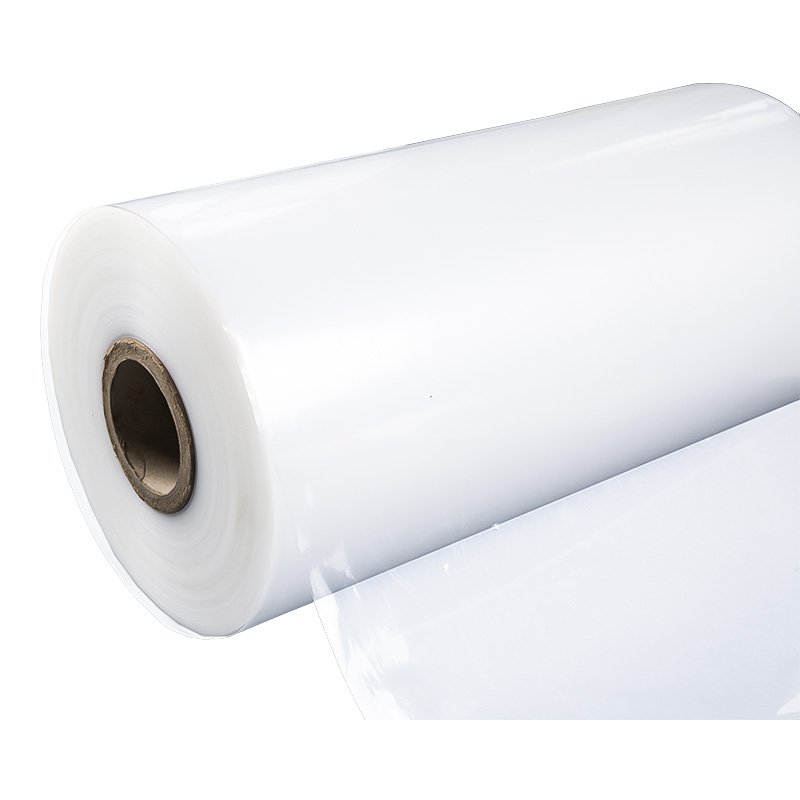
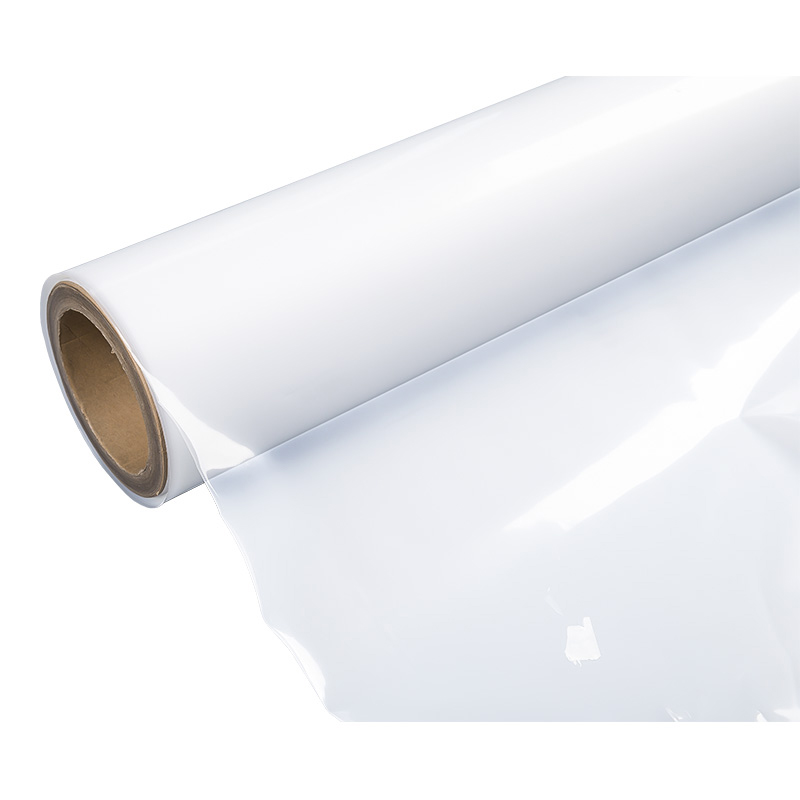
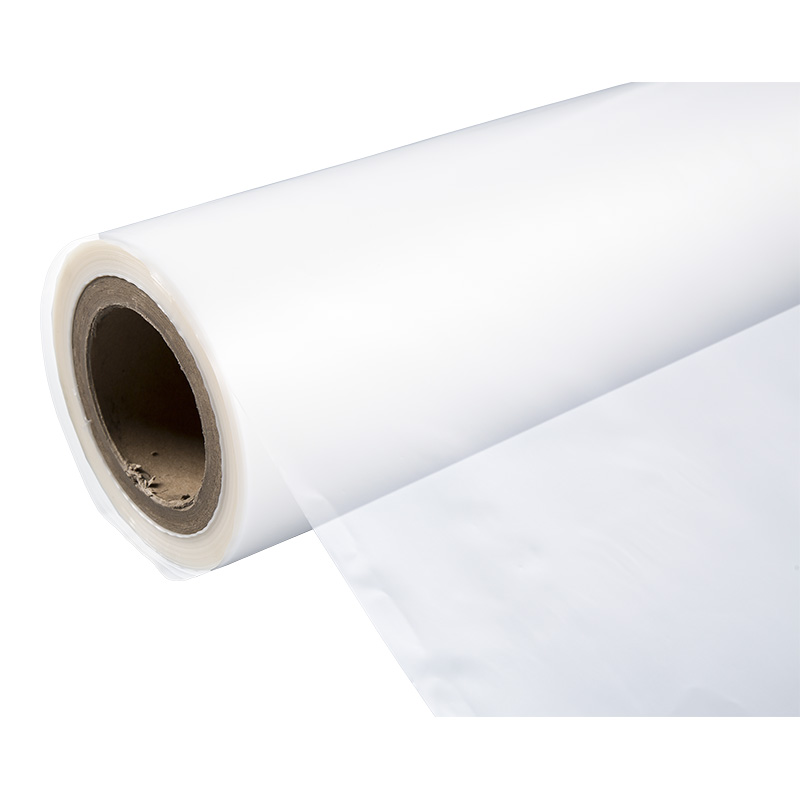
Not all lens materials accept anti-fog treatments equally. Polycarbonate, CR-39, and high-index plastics each have different surface energies that affect coating adhesion. A quality anti-fog film for glasses must be formulated for the specific substrate. Application methods also vary significantly. Pre-cut adhesive films offer consistent coverage for wholesale distribution, while liquid coatings require precise curing protocols. The long-tail keyword adhesive anti-fog film for safety glasses reflects a growing industrial segment where consistent application and optical clarity are critical for workplace safety compliance.
Comparative Analysis: Anti-Fog Technologies
B2B buyers evaluating anti-fog products must consider multiple technologies. Each method offers different trade-offs between durability, optical clarity, and cost. The following table compares key specifications for the primary anti-fog solutions available to manufacturers and wholesalers.
.Mathematics: Post-production spray or dip
| Technology Type | Durability (Cycles) | Optical Clarity | Application Complexity | Typical Cost per Unit (Bulk) |
|---|---|---|---|---|
| Hydrophilic Permanent Coating | 10,000+ wipes | Excellent (Haze < 1%) | Requires OEM application | High |
| Surfactant-Based Coating | 500-1,000 wipes | Very Good (Haze < 2%) | Medium | |
| Adhesive Film (Pre-cut) | 1,000-2,000 wipes | Good (Haze 2-4%) | Manual application, removable | Low to Medium |
| Superhydrophilic Nano-coating | 5,000+ wipes | Excellent (Haze < 0.5%) | Vacuum deposition or dip coating | Very High |
Technical Specifications for B2B Procurement
For wholesalers and manufacturers sourcing anti-fog film for glasses, establishing clear technical specifications ensures product consistency and reduces return rates. The following parameters should be included in procurement documents.
Optical Performance Requirements
Any anti-fog treatment must not compromise visual acuity. Critical metrics include:
- Haze Value: Premium products maintain haze below 2% after application. For adhesive film variants, this requires precise manufacturing control.
- Light Transmission: The coating or film should reduce transmission by no more than 2-3% compared to the untreated lens.
- Abbe Number Impact: Coatings must not introduce chromatic aberration or distortion, particularly important for prescription lenses.
Durability and Environmental Testing
Professional buyers should request test data for the following conditions:
- Abrasion Resistance: The anti-fog film for glasses should maintain effectiveness after 1,000 cycles of standardized abrasive testing (ASTM D1044).
- Temperature Cycling: The coating must withstand temperatures from -20°C to 60°C without delamination or performance degradation.
- Humidity Resistance: Accelerated aging at 85% relative humidity for 72 hours should not reduce anti-fog performance.
- Chemical Resistance: Resistance to common cleaning agents, sweat, and sunscreen is essential for consumer satisfaction.
The long-tail keyword scratch-resistant anti-fog film for sports glasses highlights a specific market segment where durability requirements are particularly stringent. Sports eyewear undergoes more frequent cleaning and exposure to sweat, requiring coating hardness exceeding 3H on the pencil hardness scale.
Application and Installation Considerations
For distributors supplying anti-fog film for glasses as a consumer product, ease of application directly affects customer satisfaction. Pre-cut adhesive films should include alignment tabs and bubble-free application systems. Liquid coatings require precise instructions for curing times and surface preparation. The long-tail keyword easy apply anti fog film for eyeglasses reflects consumer demand for user-friendly solutions, which directly impacts repeat purchase rates for wholesale buyers.
Quality Control and Certification Standards
B2B buyers should verify that their suppliers maintain consistent quality control protocols. Key certifications and testing standards include:
- ISO 12312-1: International standard for eye and face protection, covering optical quality requirements.
- ASTM F659: Standard specification for prescription eyewear lenses, relevant for coatings applied to corrective lenses.
- EN 168: European standard for personal eye protection, including fogging resistance testing methods.
- ANSI Z87.1: American standard for occupational and educational eye protection, critical for safety eyewear applications.
For suppliers targeting the medical or industrial sectors, the search for FDA compliant anti fog film for medical eyewear requires additional documentation demonstrating biocompatibility and sterilization compatibility. Medical-grade products must undergo cytotoxicity testing and maintain performance after multiple sterilization cycles.
Market Segments and Application-Specific Requirements
The anti-fog film for glasses market is divided into distinct segments, each with unique technical requirements.
Prescription and Everyday Eyewear
This segment prioritizes optical clarity and long-term durability. Consumers expect treatments to last the life of the lenses. Products in this category require excellent abrasion resistance and compatibility with lens cleaning routines. The long-tail keyword long-lasting anti-fog film for prescription glasses defines this segment, which typically commands premium pricing.
Sports and Performance Eyewear
Sports applications demand impact resistance, flexibility, and sweat resistance. Anti-fog treatments for this segment must adhere to polycarbonate and other impact-resistant materials. The keyword scratch-resistant anti-fog film for sports glasses is common in this category, with coatings requiring additional testing for flexural strength and adhesion during physical activity.
Safety and Industrial Eyewear
Safety glasses require compliance with ANSI Z87.1 or equivalent standards. Anti-fog treatments must not compromise impact protection or introduce visual distortion. The long-tail keyword adhesive anti-fog film for safety glasses is frequently used by industrial buyers who need retrofit solutions for existing safety eyewear inventories.
Medical and Healthcare Applications
Healthcare workers require anti-fog solutions that withstand frequent disinfection and extended wear periods. Medical-grade products must resist alcohol-based sanitizers and maintain performance during long surgical procedures. The search for FDA-compliant anti-fog film for medical eyewear reflects the regulatory requirements of this segment.
Manufacturing and Supply Chain Considerations
For B2B buyers sourcing anti-fog film for glasses in wholesale quantities, manufacturing consistency is paramount. Key factors to evaluate include:
- Batch-to-Batch Consistency: Request coefficient of variation data for coating thickness and optical properties across production runs.
- Lead Times and MOQs: Custom film sizes for specific lens shapes typically require higher minimum order quantities than standard universal sizes.
- Shelf Life and Storage Requirements: Anti-fog coatings, particularly surfactant-based formulations, have finite shelf lives and may require temperature-controlled storage.
- Packaging Integrity: Adhesive films require moisture-barrier packaging to prevent premature activation or degradation during storage and transit.
Frequently Asked Questions (FAQ)
- Q: How long does anti-fog film for glasses typically last?
A: The lifespan depends on the technology type. Permanent hydrophilic coatings last the life of the lens (2-5 years). Pre-cut adhesive films typically maintain effectiveness for 3-6 months with daily cleaning. High-quality, long-lastinganti-fogg film for prescription glasses using nano-coating technology can exceed 12 months under normal use conditions. - Q: Can anti-fog film be applied to any type of lens material?
A: Compatibility varies. Polycarbonate and CR-39 accept most anti-fog treatments with proper surface preparation. High-index plastics and lenses with existing hydrophobic coatings (standard anti-reflective coatings) often require specialized adhesion promoters. For safety eyewear, specifically source adhesive anti-fog film for safety glasses designed for polycarbonate substrates. - Q: Does anti-fog film affect the optical quality of prescription lenses?
A: Premium anti-fog film for glasses maintains haze values below 2%, which is imperceptible to the human eye. Lower-quality products may introduce measurable haze or affect night vision by increasing glare. Professional buyers should request haze and light transmission test reports for all products. - Q: What certifications should I require for medical or industrial anti-fog products?
A: For medical applications, require ISO 12312-1 compliance and cytotoxicity testing documentation. For industrial safety eyewear, require ANSI Z87.1 or EN 168 certification for the treated product. When sourcing FDA compliant anti fog film for medical eyewear, request FDA Master File access or device registration documentation as applicable.
References
- ASTM International, "Standard Specification for Eye Protective Devices," ASTM F659-23.
- American National Standards Institute, "Occupational and Educational Personal Eye and Face Protection Devices," ANSI/ISEA Z87.1-2020.
- International Organization for Standardization, "Eye and Face Protection - Sunglasses and Related Eyewear," ISO 12312-1:2022.
- Journal of Coatings Technology and Research, "Advances in Anti-Fog Coatings for Optical Substrates," Vol. 21, Issue 3, 2024.
- European Committee for Standardization, "Personal Eye Protection - Non-Optical Test Methods," EN 168:2022.
- Society of Vacuum Coaters, "Durability Testing of Anti-Fog Coatings for Eyewear Applications," 2025 Technical Conference Proceedings.