+86 139-6715-0258
 Monday to Friday 8 am. to 6 pm.
 English
 中文简体
中文简体Content
- 1 Introduction to Polyethylene Stretch Film Technology
- 2 Material Science and Mechanical Properties
- 3 Application Methods: Manual vs. Automatic
- 4 Comparative Analysis: Hand Film vs. Machine Film
- 5 Dimensional Specifications and Sourcing
- 6 Procurement Strategies for B2B Buyers
- 7 Conclusion
- 8 FAQ
- 9 References
Introduction to Polyethylene Stretch Film Technology
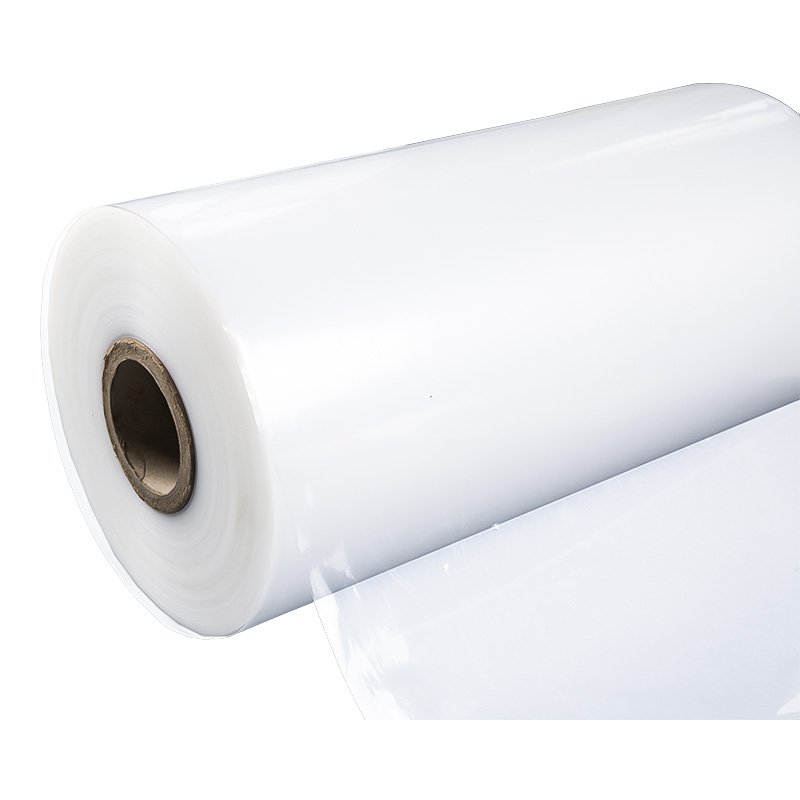
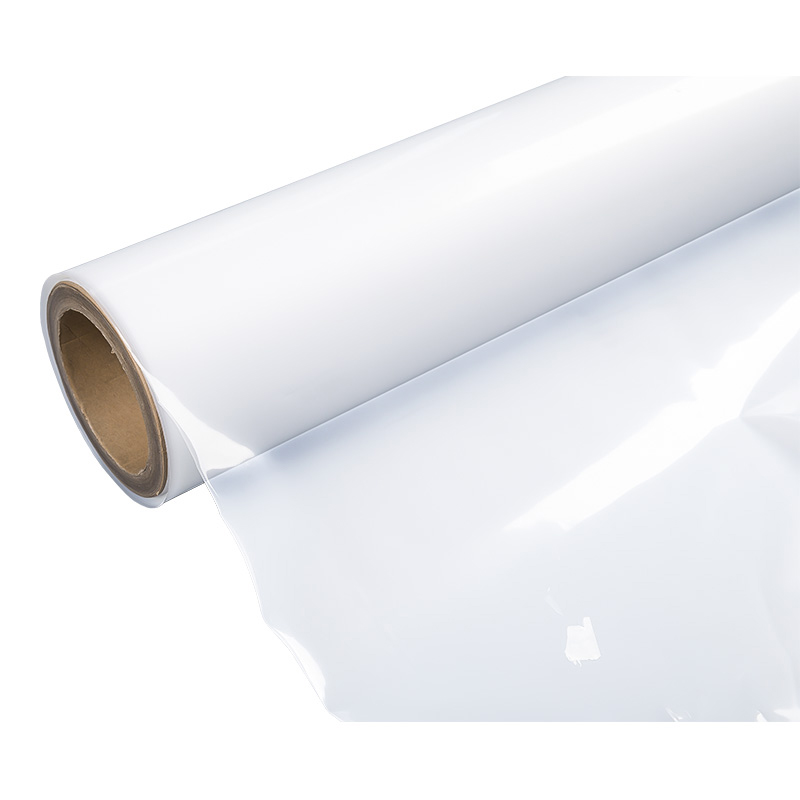
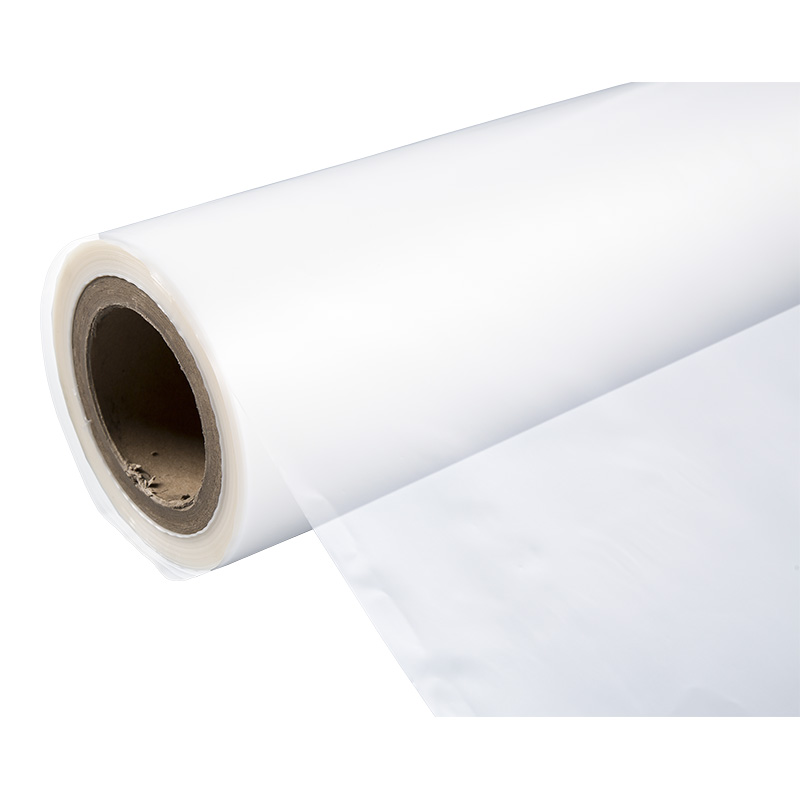
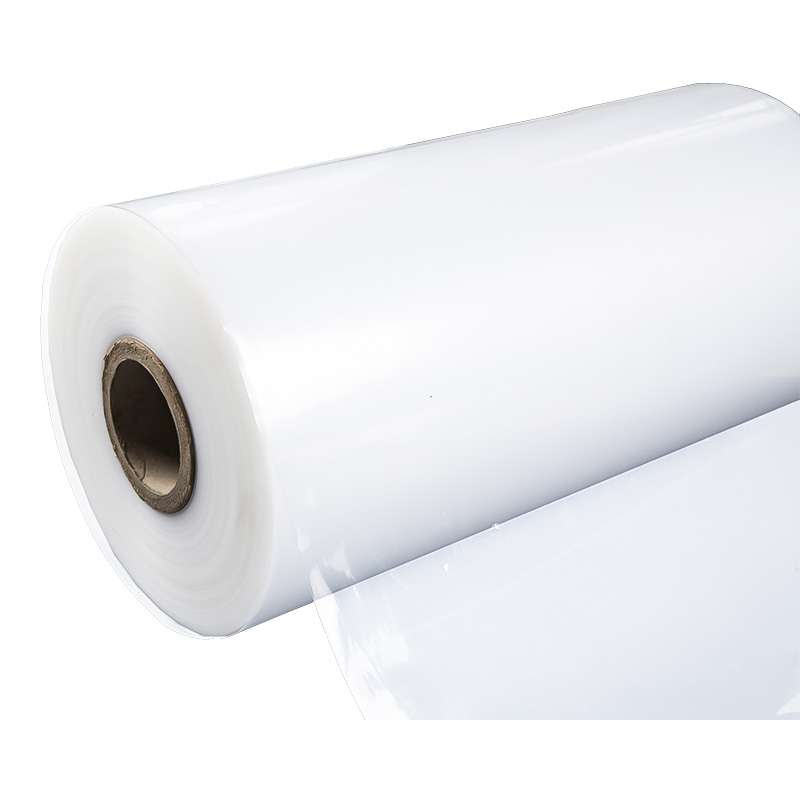
In the logistics and packaging industry, product integrity is the primary goal. A stretch wrap film roll serves as the critical barrier that secures goods during transit and storage. This material is an essential component for supply chain stability. It utilizes the mechanical properties of plastic to bind items together. For B2B procurement officers, understanding the technical nuances of this material ensures cost-efficiency and product safety.
Material Science and Mechanical Properties
The performance of a stretch wrap film roll depends on its polymer composition. Manufacturers primarily use Linear Low-Density Polyethylene (LLDPE) to produce these films.
Polymer Structure and Elastic Recovery
LLDPE contains long linear chains with short side branches. This molecular structure provides exceptional puncture resistance and elongation capabilities. Engineers refer to the "memory" of the film. When the film is stretched, it wants to return to its original state. This elastic recovery generates the tension needed to secure pallet loads. The film maintains its grip even under dynamic transport conditions.
Gauge Thickness and Load Stability
Thickness, often measured in microns or gauge, determines the film's strength. Thicker films provide higher resistance to tearing. However, modern engineering focuses on "down-gauging." This process uses advanced resin technology to create thinner films that maintain high performance. This approach reduces material usage without compromising load stability.
Application Methods: Manual vs. Automatic
The method of application dictates the type of film required. Buyers must match the film specifications to their operational hardware.
Manual Wrapping Solutions
For smaller operations or irregular loads, manual application is the standard solution. Hand stretch wrap film for moving is designed for human ergonomics. It typically features a lighter core to reduce user fatigue. This film often comes with a handle or dispenser. It allows workers to wrap furniture, boxes, or small pallets quickly. The tension is applied manually, so the film must be easy to stretch and tear by hand.
High-Speed Machine Wrapping
In high-volume warehouses, automation is key. Machine stretch film for pallet wrapping is engineered for stretch wrap machines. It must withstand high tension forces applied by mechanical rollers. These films have higher tensile strength. They allow for "pre-stretching," where the machine stretches the film up to 300% before applying it to the load. This maximizes the yield of every stretch wrap film roll and ensures tight containment.
Comparative Analysis: Hand Film vs. Machine Film
Selecting the incorrect film type can lead to equipment failure and product damage. We compare the technical specifications of both types below.
| Feature | Hand Stretch Film | Machine Stretch Film |
| Typical Thickness | 15 - 23 microns | 12 - 35 microns |
| Pre-stretch Ratio | Low (50-100%) | High (200-300%) |
| Core Type | Extended core for grip | Standard core for machine mounting |
| Tensile Strength | Lower (manual force) | Higher (mechanical force) |
| Best Use Case | Low volume, irregular shapes, moving | High volume warehouses, uniform pallets |
Dimensional Specifications and Sourcing
Dimensional accuracy is vital for efficient inventory management. Wholesalers must stock sizes that fit standard industry needs.
Standard Widths and Lengths
Width determines the coverage area per revolution. The 18-inch stretch wrap roll is a standard industry size. It is wide enough to cover the face of a standard pallet efficiently. It also reduces the number of overlaps required. For smaller items, 12-inch or 5-inch rolls are common. For furniture wrapping, wider rolls ensure that large surfaces are covered quickly.
Transparency and Protection
Visual inspection of goods is necessary during customs checks and inventory counts. This is why clear stretch wrap for furniture and retail goods is preferred. Clear films allow scanners to read barcodes through the wrap. Opaque or colored films are used for security to hide the contents of the pallet. Both types protect goods from dust, moisture, and surface scratches.
Procurement Strategies for B2B Buyers
Sourcing high-quality packaging materials requires a strategic partnership. Buyers must evaluate industrial stretch film suppliers carefully.
Evaluating Industrial Stretch Film Suppliers
Consistency is the most important metric for suppliers. A stretch wrap film roll must have uniform thickness throughout. Variations in gauge can cause the film to break at the machine. Buyers should request technical data sheets (TDS) before purchasing. These documents verify the puncture resistance and elongation values. Reliable suppliers also offer consistent core weights. Heavy cores add unnecessary shipping weight and cost. Quality suppliers use lightweight cores to maximize film length per roll.
Conclusion
The choice of stretch film impacts the entire supply chain. From the polymer science of LLDPE to the mechanics of pre-stretch, every detail matters. By selecting the correct gauge, width, and film type, businesses can secure their products effectively. Professional buyers must prioritize technical specifications to ensure operational efficiency.
FAQ
What is the difference between cast and blown stretch film?
Cast film is produced by extruding the plastic through a slit die. It offers high clarity and quiet unwinding. Blown film is extruded through a circular die and cooled by air. It offers higher load-holding power and puncture resistance.
How do I calculate the stretch film yield?
You calculate yield by considering the pre-stretch percentage. If a machine pre-stretches film by 200%, a 1000-meter roll will actually cover 3000 meters of pallet surface. This calculation helps in comparing costs between suppliers.
Can stretch wrap be recycled?
Yes, LLDPE stretch film is recyclable. Many facilities collect used wrap and compact it into bales. These bales are sent to recyclers to be processed into new plastic products.
Why is my stretch film tearing during application?
Tearing usually indicates sharp edges on the load or incorrect tension settings. You should apply corner protectors to the pallet. Also, verify that the film gauge matches the weight of the load.
References
- ASTM D4672 - Standard Test Methods for Polyethylene Film.
- Modern Packaging Encyclopedia. "Properties of Linear Low-Density Polyethylene."
- packaging machinery manufacturers.
- Journal of Applied Polymer Science. "Elastic Recovery in Polymer Films."
- ISO 9001 Quality Management Standards for Plastic Extrusion.