+86 139-6715-0258
 Monday to Friday 8 am. to 6 pm.
 English
 中文简体
中文简体Content
- 1 Technical Properties of Modern Flexible Packaging Substrates
- 2 Comparative Analysis: Paper vs. Plastic Substrates
- 3 Engineering Challenges in Multi-Material Flexible Packaging Solutions
- 4 Sustainability Metrics and the Industrial Paper Bag Manufacturing Process
- 5 Strategic Procurement for Wholesalers and Manufacturers
- 6 Conclusion
- 7 Frequently Asked Questions (FAQ)
- 8 References
The global packaging market is undergoing a rapid transition toward resource efficiency and circularity. B2B procurement managers and engineers must evaluate materials not just for cost, but for technical performance and end-of-life recovery. Choosing between a Paper Plastic Bag Film or a hybrid system involves complex engineering decisions. This article examines the material science, manufacturing constraints, and sustainability metrics necessary for high-volume industrial applications.
Technical Properties of Modern Flexible Packaging Substrates
Flexible packaging is defined as any package whose shape can be easily changed, typically sold in thicknesses up to 250 microns. Engineers often prioritize polymer sheets made from polyethylene (PE), polypropylene (PP), and polyethylene terephthalate (PET) because they offer moisture resistance and chemical stability.
The Molecular Difference Between Polyethylene (PE) and Polypropylene (PP)
Polyethylene is the most common resin used in recyclable flexible plastic packaging. Low-Density Polyethylene (LDPE) features a highly branched molecular structure, which provides a soft hand-feel and excellent clarity. In contrast, Linear Low-Density Polyethylene (LLDPE) consists of a linear backbone with short branches. This structure provides higher tensile strength and puncture resistance. Polypropylene (PP) offers superior heat resistance and stiffness, making it ideal for snack bags and microwaveable containers.
Understanding Tensile Strength and Puncture Resistance
Technical performance in industrial settings depends on the polymer's ability to withstand mechanical stress. Higher molecular weight polymers generally provide better durability but may suffer from thermo-mechanical degradation during reprocessing. Engineers must specify the correct grade of recyclable flexible plastic packaging to ensure that the material maintains its integrity throughout the shipping and handling cycle.
Comparative Analysis: Paper vs. Plastic Substrates
Paper and plastic serve different functional needs in the B2B sector. Kraft paper is a common choice for carrier bags and industrial sacks due to its renewable origin and high-quality virgin fibers. However, paper lacks the inherent moisture and gas barrier properties of polymer films. Designers often combine these materials to create hybrid solutions that protect sensitive products.
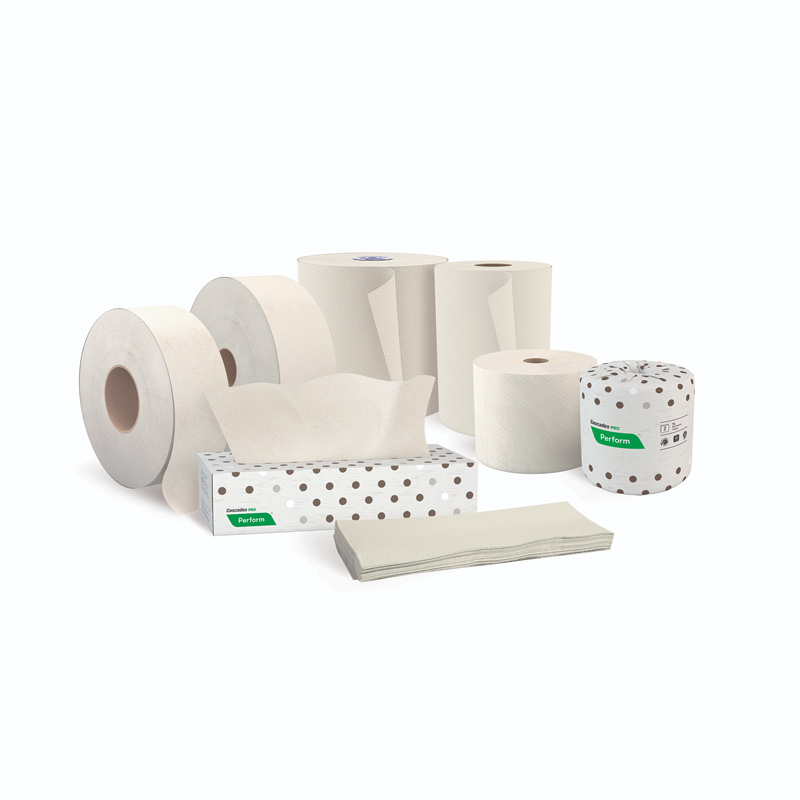
The following table compares the typical performance characteristics of various substrates used in industrial packaging applications.
| Material Property | Kraft Paper | LDPE Film | PP Film | Aluminum Foil |
| Moisture Barrier | Low | Excellent | Good | Absolute |
| Oxygen Barrier | Low | Fair | Good | Absolute |
| Tensile Strength | High | Moderate | High | Low |
| Heat Resistance | Excellent | Low | High | Excellent |
| Recyclability | High | High | High | Moderate |
Engineering Challenges in Multi-Material Flexible Packaging Solutions
Laminated structures are necessary when a single material cannot meet all protective requirements. A standard high-barrier pouch may contain PET for gloss, Aluminum foil for light protection, and PE for sealing integrity. These multi-material flexible packaging solutions provide exceptional product protection but present significant challenges for mechanical recycling facilities.
The Role of Barrier Layers: Light, Oxygen, and Moisture Protection
Barrier efficiency is measured by Oxygen Transmission Rates (OTR) and Water Vapor Transmission Rates (WVTR). While aluminum foil provides a near-zero transmission rate, it increases the specific density of the package to approximately 1.3 g/cm3, which can interfere with automated sorting equipment. Multi-material flexible packaging solutions that include incompatible polymers, such as PET and PE, often lead to contamination in the recycling stream.
Identifying sustainable barrier film alternatives to Aluminum Foil
Engineers are increasingly testing sustainable barrier film alternatives to improve the circularity of their products. Aluminum Oxide (AlOx) coatings are a primary example. These coatings are only 20 nm thick and provide transparent oxygen and moisture barriers. Because AlOx behaves like a mineral filler in the extruder, it does not disrupt the recycling process as significantly as thick metal foils. Transitioning to these sustainable barrier film alternatives allows brands to maintain shelf life while improving the quality of secondary materials.
Sustainability Metrics and the Industrial Paper Bag Manufacturing Process
The manufacturing process for industrial sacks is highly automated, involving tube forming and bottom folding. Kraft paper used in the industrial paper bag manufacturing process can be perforated to improve air permeability, which is essential for packing dry powdery materials like cement or flour. This process is highly efficient but must be balanced against the environmental requirements of the supply chain.
Analyzing the paper vs plastic bag environmental impact through LCA
A Life Cycle Analysis (LCA) is the most reliable way to evaluate the paper vs plastic bag environmental impact. LCA factors include raw material extraction, manufacturing energy, transportation weight, and final disposal. While paper bags are biodegradable, they often require more energy and water to manufacture than plastic alternatives. Furthermore, the heavier weight of paper increases the carbon footprint associated with logistics.
The Packaging-to-Product Weight Ratio Advantage
A key metric for engineers is the Packaging-to-Product Weight Ratio. Flexible Paper Plastic Bag Film systems are exceptionally resource-efficient. For example, a flexible pouch can hold up to 60 times its own weight in product, whereas a folding carton with an inner bag may only achieve a 1:15 ratio. This material reduction is a primary driver for the adoption of flexible formats in B2B wholesaling.
Strategic Procurement for Wholesalers and Manufacturers
Procurement departments must prioritize material consistency to maximize scrap value. Clean single-resin streams, such as unprinted LDPE rolls, command higher prices in the recycling market than mixed PE/PP bales. When sourcing Paper Plastic Bag Film, wholesalers should look for mono-material designs that simplify the sorting process at recovery facilities. Implementing new markers or tracer technologies can further enhance the selectivity of Near-Infrared (NIR) sorting systems.
Conclusion
The choice between paper and plastic substrates is not binary. It requires a deep understanding of product sensitivity, manufacturing capabilities, and regional recycling infrastructure. By evaluating sustainable barrier film alternatives and optimizing for recyclable flexible plastic packaging, B2B organizations can significantly reduce their environmental footprint without compromising functionality. Technical innovation in Paper Plastic Bag Film will continue to be the cornerstone of a sustainable circular economy.
Frequently Asked Questions (FAQ)
- What is the main difference between LDPE and LLDPE in film production? LDPE has a highly branched structure,e providing better clarity and ease of processing. LLDPE has a linear backbone that offers higher tensile strength and better puncture resistance.
- Are multi-material laminates recyclable? Most multi-material laminates are difficult to recycle mechanically because they contain incompatible resins like PET and PE. However, they can often be processed via energy recovery or specialized chemical recycling.
- How does AlOx compare to aluminum foil for product protection? AlOx offers excellent transparent barriers for moisture and oxygen, though it may not provide the same UV light protection as solid aluminum foil.
- Why is the packaging-to-product ratio important? This ratio measures material efficiency. Flexible packaging often uses significantly less material than rigid alternatives to protect the same amount of product, reducing waste and transportation costs.
References
- Flexible Packaging Association (FPA). "Flexible Packaging: Contributing to Sustainability." 2009.
- Barlow, C. Y., & Morgan, D. C. "Polymer film packaging for food: An environmental assessment." Resources, Conservation and Recycling, 2013.
- The Ellen MacArthur Foundation (EMF). "The New Plastics Economy: Rethinking the future of plastics." 2016.
- Government of the Netherlands. "Tackling carrier bags, gs including free plastic bags." 2015.
- Wikipedia. "Paper bag - History and Construction." 2026.