+86 139-6715-0258
 Monday to Friday 8 am. to 6 pm.
 English
 中文简体
中文简体Content
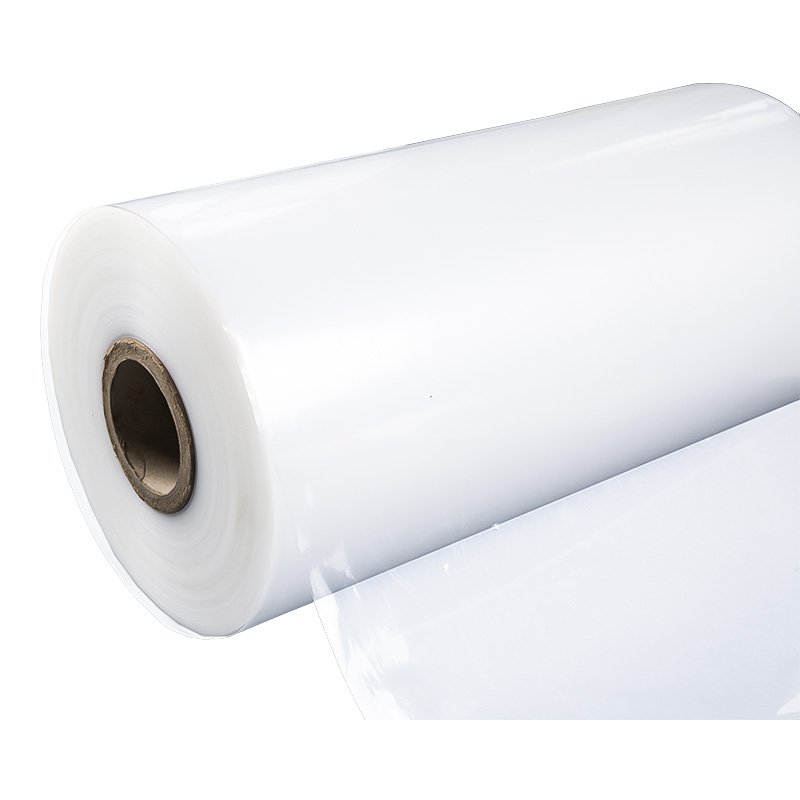
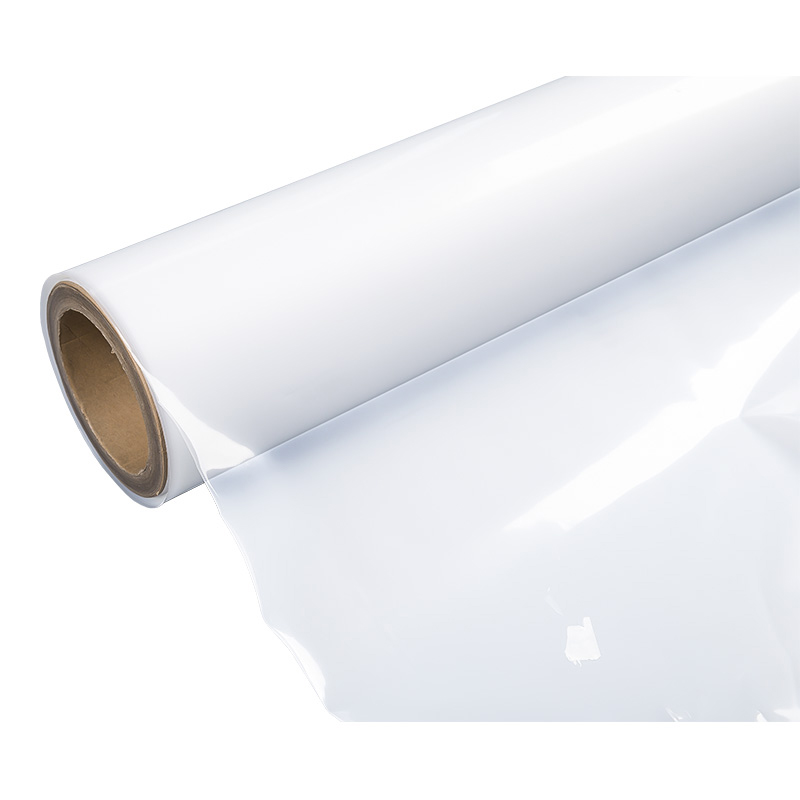
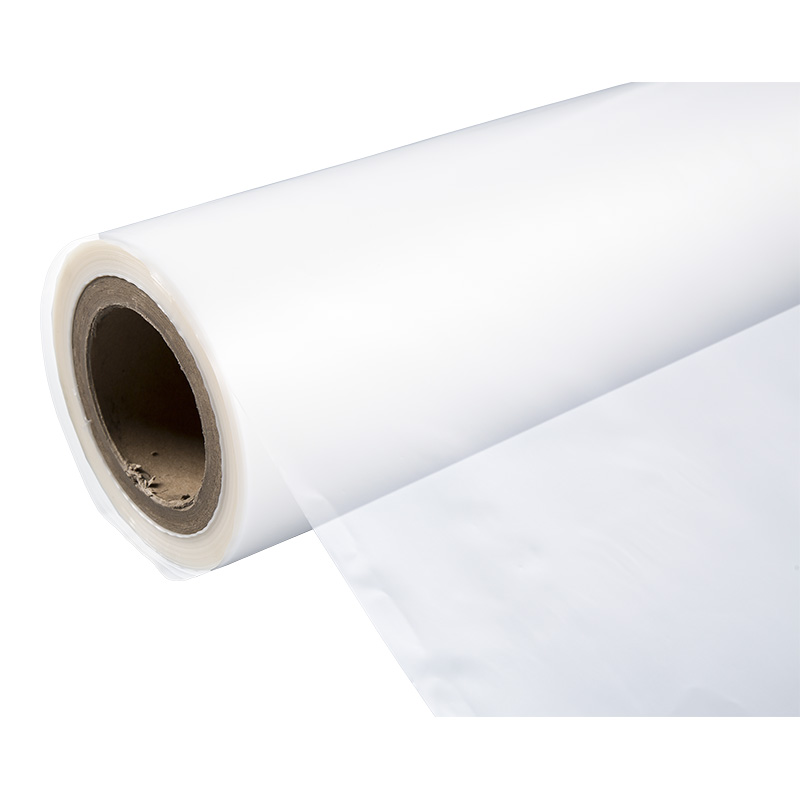
In industrial and commercial environments where temperature differentials are extreme, maintaining optical clarity is not merely a matter of convenience—it is a critical safety imperative. Condensation occurs when water vapor in the air comes into contact with a surface cooler than the dew point, causing light-scattering droplets to form. For facility managers and procurement officers in sectors such as food processing, heavy manufacturing, and logistics, Anti-fog film provides a robust engineering solution to this persistent problem. As a specialized manufacturer dedicated to advanced material technologies, we recognize that mitigating fogging is essential for ensuring operational continuity and safeguarding human capital in high-humidity conditions.
The Physics of Condensation and Surface Engineering
To understand the efficacy of these films, one must examine the physics of surface tension. On untreated hydrophobic surfaces like standard glass or polycarbonate, water condenses into discrete beads due to high surface tension. These droplets refract light randomly, creating an opaque layer that obscures vision. The technology behind Anti-fog film alters the surface energy of the substrate. By applying a specialized coating, typically utilizing a hydrophilic anti-fog coating film mechanism, the film reduces the contact angle of water molecules. Instead of beading, the condensation spreads into a uniform, microscopically thin sheet of water that allows light to pass through with minimal distortion, thereby preserving critical visibility.
According to the 2024 Workplace Safety Index released by the National Safety Council (NSC), injuries resulting from slips, trips, and falls—often exacerbated by poor visibility due to environmental factors like condensation—remain a leading cause of preventable workplace injuries, accounting for a significant portion of the total economic burden on businesses.
Source: National Safety Council (NSC) - Injury Facts
Surface Interaction Comparison
The distinction in water behavior between untreated materials and treated films is fundamental to their performance. We can observe the technical differences in the table below.
| Property | Untreated Surface (Glass/Plastic) | Anti-Fog Treated Surface |
| Surface Energy | Low / Hydrophobic | High / Hydrophilic |
| Water Contact Angle | High (>90 degrees) | Low (<10 degrees) |
| Condensation Form | Discrete light-scattering droplets | Continuous transparent film/sheet |
| Light Transmission | Diffuse (Low Visibility) | Specular (High Clarity) |
Enhancing Operational Safety and Compliance
The primary application of Anti-fog film is to mitigate hazards associated with obscured vision. In industrial kitchens and food processing plants, where steam and temperature fluctuations are constant, fogged viewing windows on equipment or safety goggles can lead to catastrophic injuries involving hot surfaces or automated machinery. Similarly, in cold storage logistics, forklift operators rely entirely on clear vision to navigate narrow aisles safely.
Specific applications such as anti-fog film for glasses—including both prescription eyewear and safety goggles—are vital for compliance with Occupational Safety and Health Administration (OSHA) standards regarding personal protective equipment (PPE). Furthermore, in sanitary facilities and locker rooms, the use of anti-fog safety film for mirrors prevents the "blind spots" that typically occur after hot showers. By ensuring mirrors remain clear, these films reduce the risk of slips and falls by allowing users to maintain spatial awareness of their surroundings.
Performance Durability: Temporary vs. Permanent Solutions
For B2B purchasers, the longevity of the solution is a primary concern when calculating total cost of ownership. The market offers a spectrum of products ranging from temporary wipes to permanent adhesive films. While sprays and wipes offer a short-term fix, they require frequent reapplication and can leave residues that interfere with optical clarity. In contrast, permanent anti-fog film for glass and plastics provides a durable, bonded layer that integrates with the substrate surface.
Durability and Maintenance Analysis
When evaluating the economic and technical viability of different solutions, it is helpful to compare the maintenance burden and lifespan of temporary treatments versus semi-permanent films.
| Factor | Temporary Sprays/Wipes | Permanent Anti-Fog Film |
| Active Duration | Hours to Days (Evaporates quickly) | Months to Years (Bonded layer) |
| Labor Cost | High (Daily application required) | Low (One-time installation) |
| Chemical Resistance | Low (Easily removed by cleaners) | High (Resists standard detergents) |
| Consistency | Variable (Dependent on application) | Uniform (Engineered thickness) |
Installation and Adaptability
The versatility of modern films allows for retrofitting existing infrastructure without the need for expensive equipment replacement. Whether the substrate is soda-lime glass, polycarbonate, or acrylic, adhesive films can be contour-cut to fit complex geometries, such as machine guards or helmet visors. While professional installation ensures the absence of air bubbles and optimal optical performance, DIY anti-fog film installation kits are available for smaller-scale applications.
However, for industrial deployments, professional application is recommended to ensure the film edge is securely sealed. Proper installation is critical to prevent moisture ingress between the film and the substrate, which could lead to delamination and optical defects over time.
Conclusion
In conclusion, Anti-fog film is a vital safety technology that addresses the persistent challenge of condensation in high-humidity environments. By leveraging hydrophilic technologies to maintain optical clarity, these films protect workers, enhance operational efficiency, and ensure regulatory compliance. Whether applied to cold storage doors, safety mirrors, or protective eyewear, the transition from temporary coatings to permanent film solutions offers a compelling return on investment through reduced maintenance and enhanced accident prevention.
Frequently Asked Questions (FAQ)
- Q1: What is the operational temperature range for anti-fog film?
A: Most high-quality films operate effectively between -20°C and 80°C (-4°F to 176°F), though performance varies based on the specific hydrophilic coating formulation and the humidity differential. - Q2: Can anti-fog film be used on dual-pane or insulated glass units?
A: Yes, Anti-fog film is often applied to the exterior or interior-facing surface of dual-pane units; however, it cannot be applied between the panes of sealed units. - Q3: Does the film affect the transparency or clarity of the glass?
A: No, when applied correctly, the film is optically clear. The hydrophilic anti-fog coating film is designed to have a refractive index matching that of glass or plastic, minimizing visual distortion. - Q4: How do you clean surfaces treated with permanent anti-fog film?
A: Clean with a soft cloth and mild, non-abrasive detergent. Avoid harsh solvents or abrasive scrubbers, as these can degrade the permanent anti-fog film for glass over time. - Q5: Is DIY installation viable for large industrial windows?
A: While DIY anti-fog film installation is possible for small panes, large industrial windows require professional installation to ensure the film is applied without creases or debris, which could compromise safety and visibility.