+86 139-6715-0258
 Monday to Friday 8 am. to 6 pm.
 English
 中文简体
中文简体Content
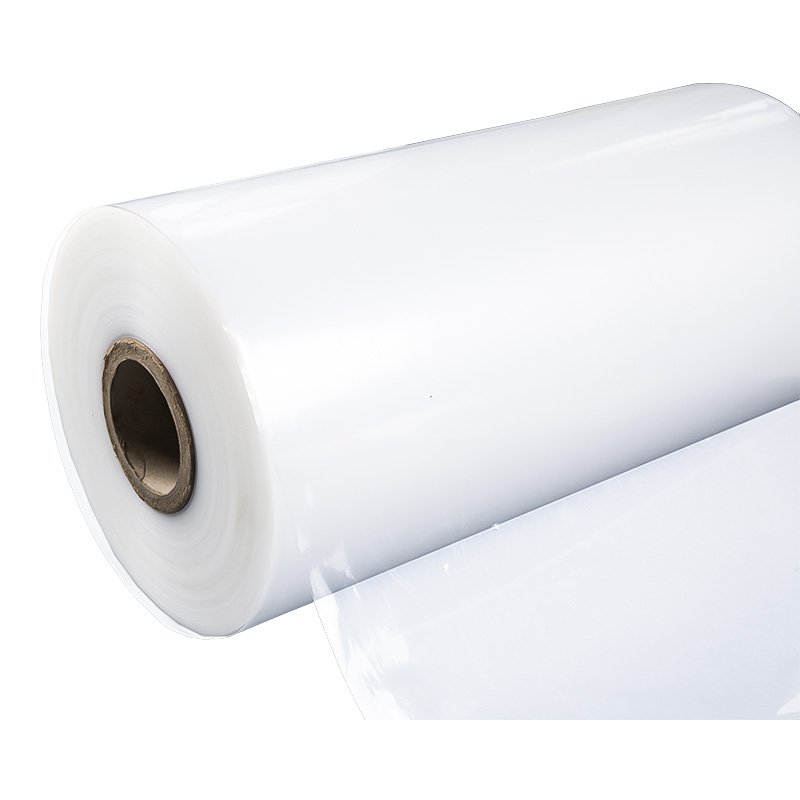
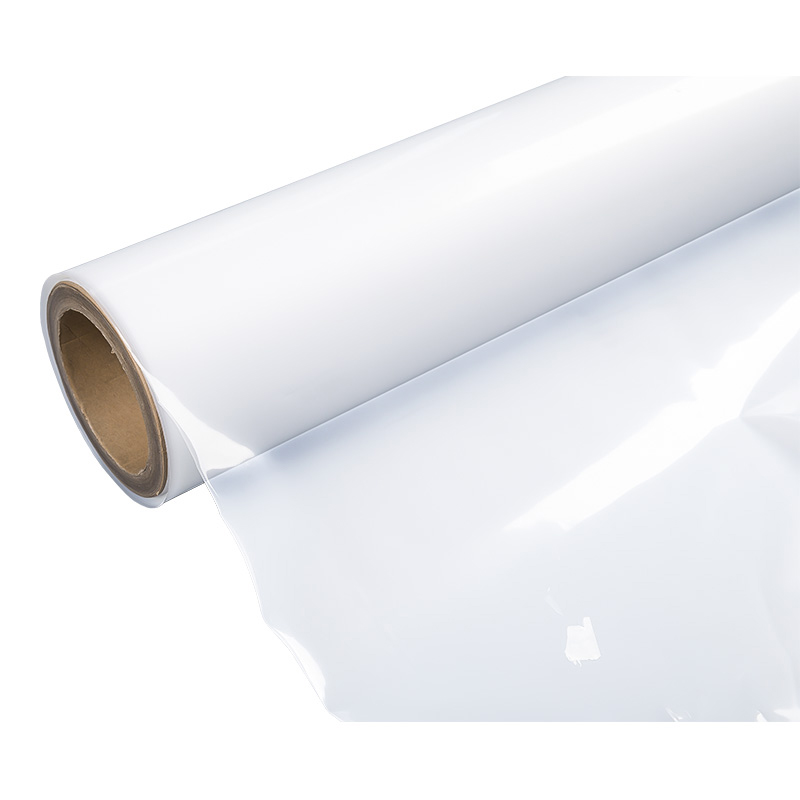
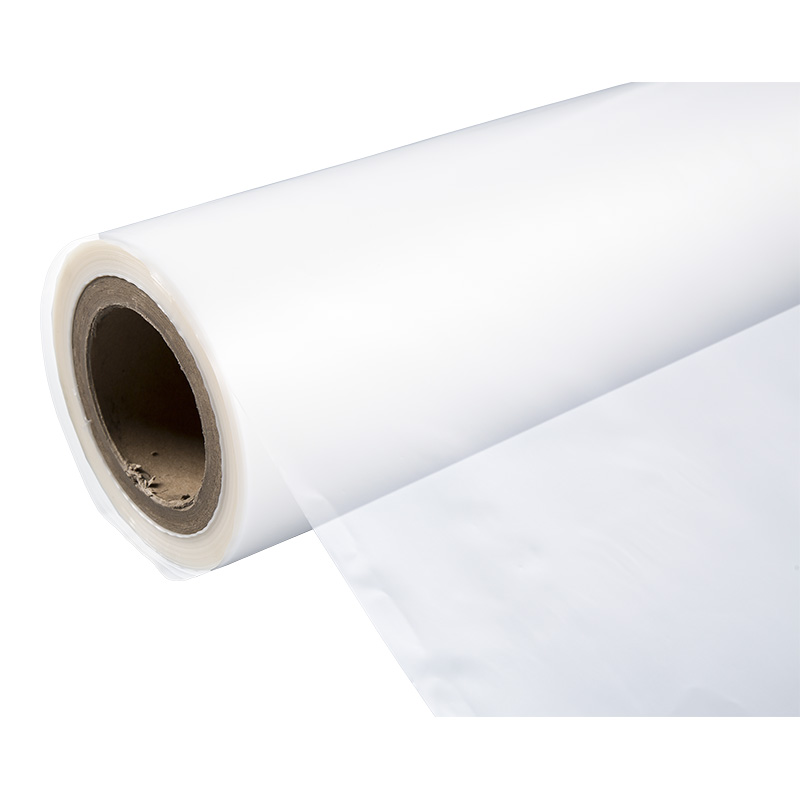
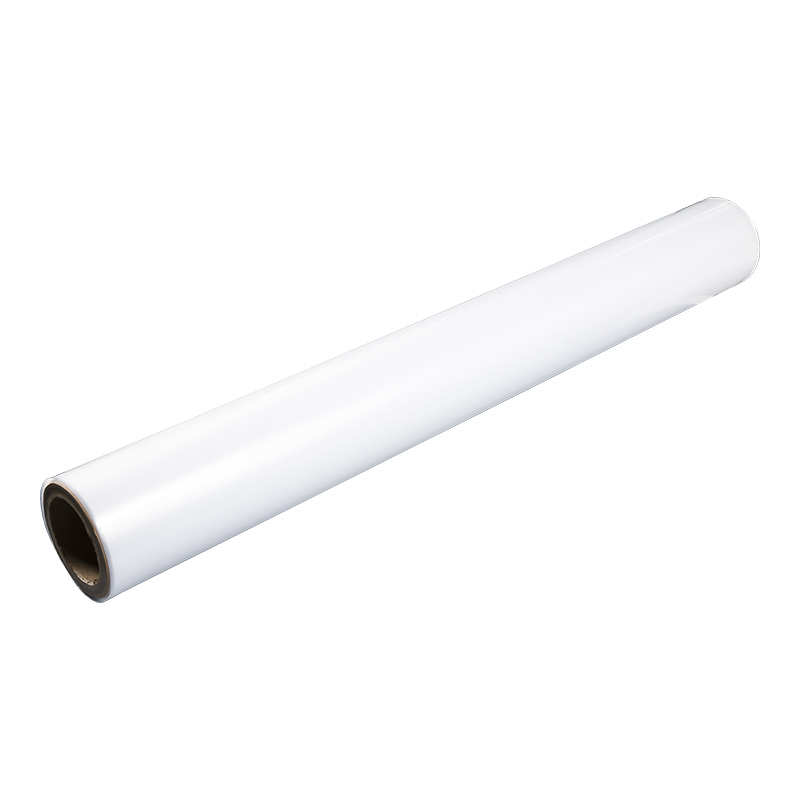
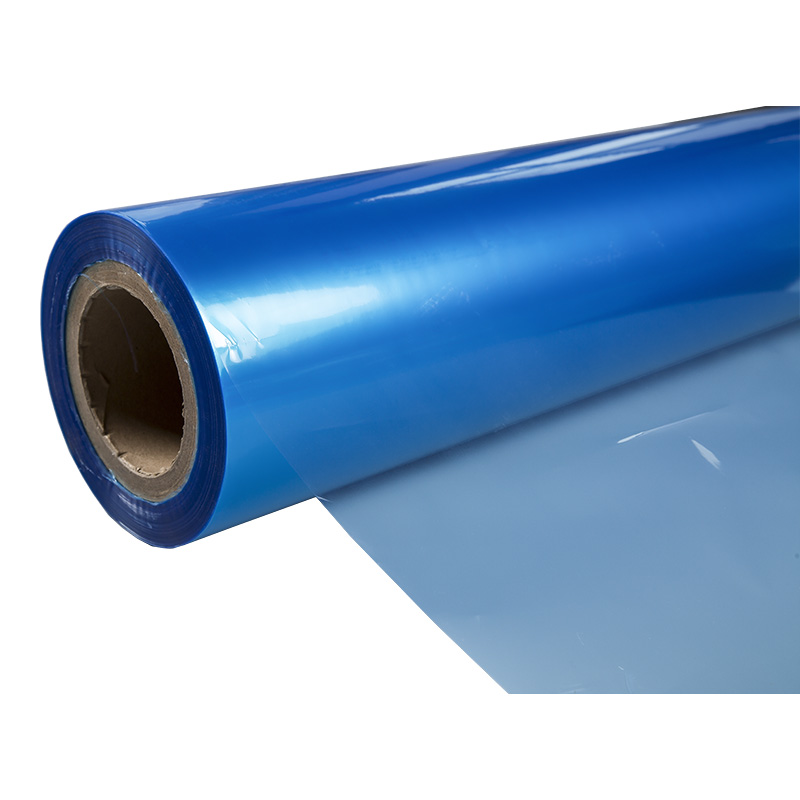
At our company, we specialize in innovative packaging solutions tailored for industrial, retail, and consumer goods applications. One material gaining traction among engineers and procurement professionals is Film Tissue. Combining functional performance with aesthetic appeal, film tissue plays a strategic role in modern packaging systems. This article examines its advantages, compares it with traditional tissue paper, explores manufacturing processes, evaluates biodegradable options, and highlights its role in luxury product wrapping.
Introduction
Packaging films, a category that encompasses specialty substrates like film tissue, are foundational in protecting products and enhancing consumer appeal. According to the latest industry reports, the global packaging film market was valued at more than USD 153 billion in 2025 and is expected to continue growing driven by demand for flexible, high‑performance packaging solutions in food, consumer goods, and pharmaceuticals.
Source: Packaging Film Market Size, Share & Competitive Outlook 2034
Film tissue is often utilized where thin, strong barrier layers are needed to protect against moisture, dust, or mechanical abrasion while maintaining visual clarity and tactile quality.
1. High‑Quality Film Tissue for Packaging
High‑quality film tissue for packaging refers to engineered thin films that offer enhanced mechanical properties compared to traditional paper tissues. These films are typically produced with advanced extrusion or blown film processes to achieve a balance between flexibility and strength.
- Superior Strength and Tear Resistance: Film tissue provides higher tensile strength and resistance to tearing than many paper‑based tissues.
- Moisture Barrier: Unlike paper materials, film tissue can incorporate hydrophobic polymer layers to repel moisture.
- Lightweight and Flexible: Its low weight contributes to reduced transport costs and better handling during packaging operations.
For packaging engineers optimizing materials for protection and handling, film tissue often achieves higher durability without significant weight penalties.
2. Film Tissue vs Traditional Tissue Paper Comparison
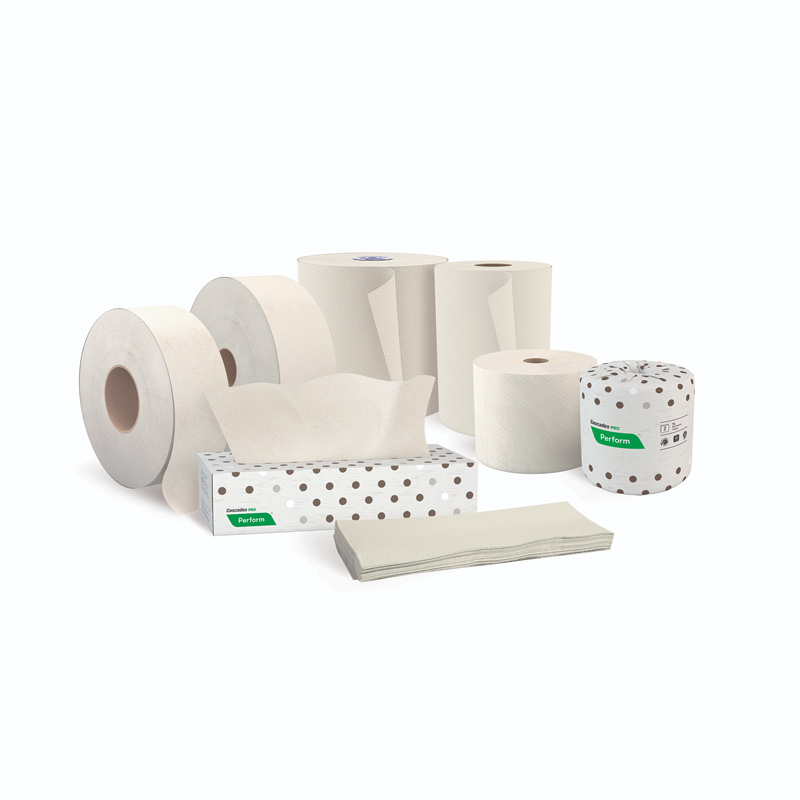
Understanding film tissue vs traditional tissue paper comparison highlights material choices for protective packaging. While paper tissues may offer certain cost advantages and recyclability in specific contexts, film tissue outperforms in barrier properties and strength.
| Attribute | Film Tissue | Traditional Tissue Paper |
| Tensile Strength | High | Low to Moderate |
| Moisture Resistance | Strong | Poor |
| Visual Clarity | Good (when transparent) | Not applicable |
| Cost | Moderate | Low |
This comparison illustrates why film tissue is preferred for applications requiring robust protection and functional performance rather than purely disposable wrapping.
3. Biodegradable Film Tissue Solutions
Environmental sustainability is increasingly central to packaging design. Biodegradable film tissue solutions integrate plant‑based polymers, cellulose, or biodegradable plastic alternatives that decompose under composting conditions. These solutions align with emerging regulations and corporate sustainability goals.
- Compostability: Some biodegradable film tissues can break down without leaving persistent microplastics.
- Renewable Feedstocks: Materials derived from cellulose or biopolymers lower reliance on fossil resources.
- Regulatory Compliance: Rising standards, especially in Europe and North America, encourage adoption of biodegradable packaging films.
Cellulose‑based films, a subset of biodegradable packaging films, are projected to grow significantly as companies seek sustainable alternatives to petrochemical‑based plastics.
Source: Cellulose Film Packaging Market Share Analysis
4. Film Tissue Manufacturing Process Steps
The film tissue manufacturing process steps involve material selection, film formation, and post‑processing operations to achieve desired functional properties. Key stages include:
- Raw Material Preparation: Selection of polymers or biopolymers based on required barrier and strength characteristics.
- Film Formation: Extrusion or blown film techniques create a continuous thin layer with controlled thickness.
- Coating and Treatment: Additional layers for moisture barriers, slip agents, or printability enhancers may be applied.
- Cutting and Packaging: Finished film tissue is cut to specifications and prepared for integration into packaging lines.
Compared to traditional tissue paper production, film tissue manufacturing allows greater control over barrier and mechanical performance due to advanced polymer processing capabilities.
5. Film Tissue for Luxury Product Wrapping
In luxury markets, packaging often serves as a key differentiator in consumer perception. Film tissue for luxury product wrapping leverages its high visual clarity, smooth surface, and ability to incorporate high‑resolution printing to enhance brand presentation.
- Premium Finishes: Film tissue can be metallized or coated for a glossy finish that reflects product prestige.
- Clean Protection: Its smooth surface minimizes lint and particulate contamination.
- Custom Printability: Advanced printing technologies allow bespoke designs and high fidelity graphics.
These attributes make film tissue suitable for premium consumer electronics, cosmetics, and high‑end retail packaging where protective performance and visual appeal are both critical.
Conclusion
Film Tissue offers a suite of advantages in packaging applications, from superior strength and moisture resistance to sustainability options and premium aesthetics. When compared with traditional tissue paper, film tissue provides enhanced functional performance suited to demanding industrial environments. Understanding its manufacturing process and potential for biodegradable alternatives positions engineering and procurement teams to make informed material choices in alignment with both performance and environmental goals.
Frequently Asked Questions (FAQ)
- What makes film tissue superior to traditional tissue paper? – Film tissue outperforms in moisture resistance and tensile strength, making it more suitable for protective packaging.
- Can film tissue be biodegradable? – Yes, biodegradable film tissue solutions are available that comply with compostability standards and reduce plastic waste.
- Is film tissue suitable for luxury product packaging? – Absolutely, film tissue’s visual clarity and printability make it ideal for premium wrapping applications.
- What are the key steps in manufacturing film tissue? – The process involves raw material preparation, film formation, coating, and cutting to specification.
- How does film tissue support sustainability goals? – By integrating biodegradable polymers and reducing reliance on non‑renewable materials, film tissue can align with eco‑friendly packaging strategies.