+86 139-6715-0258
 Monday to Friday 8 am. to 6 pm.
 English
 中文简体
中文简体Content
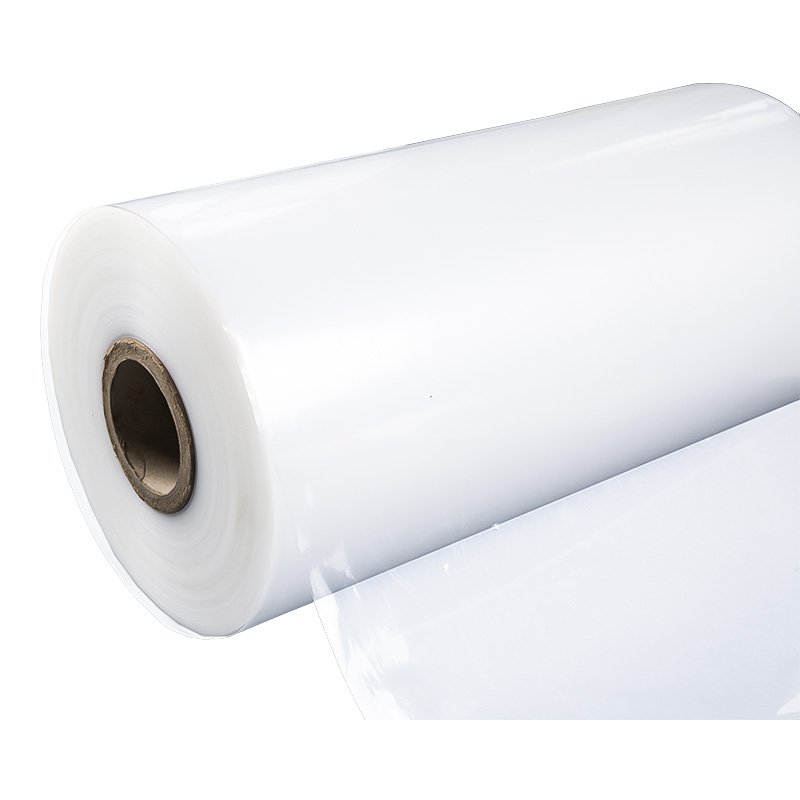
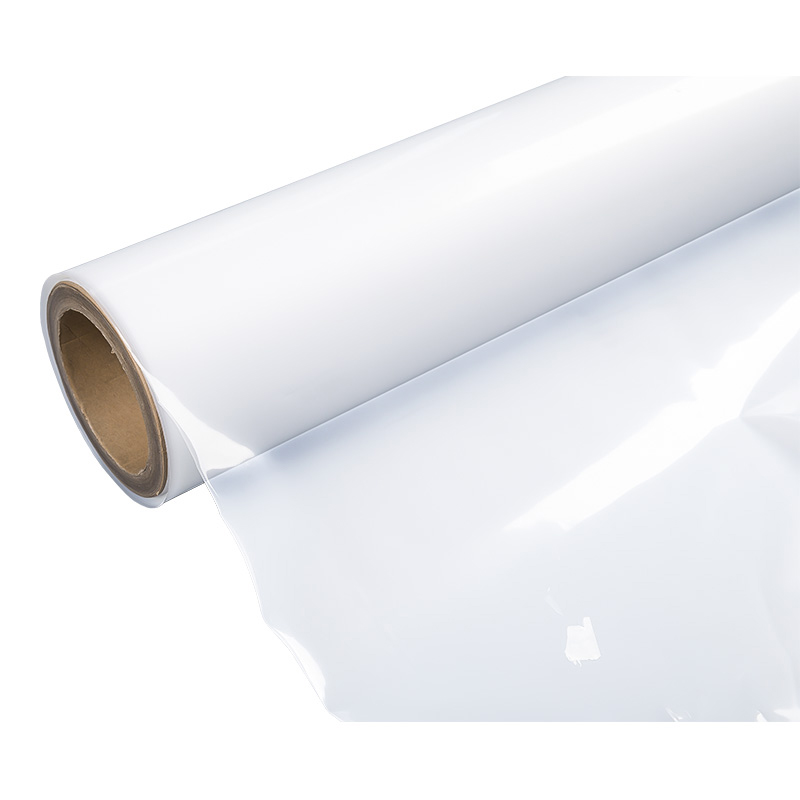
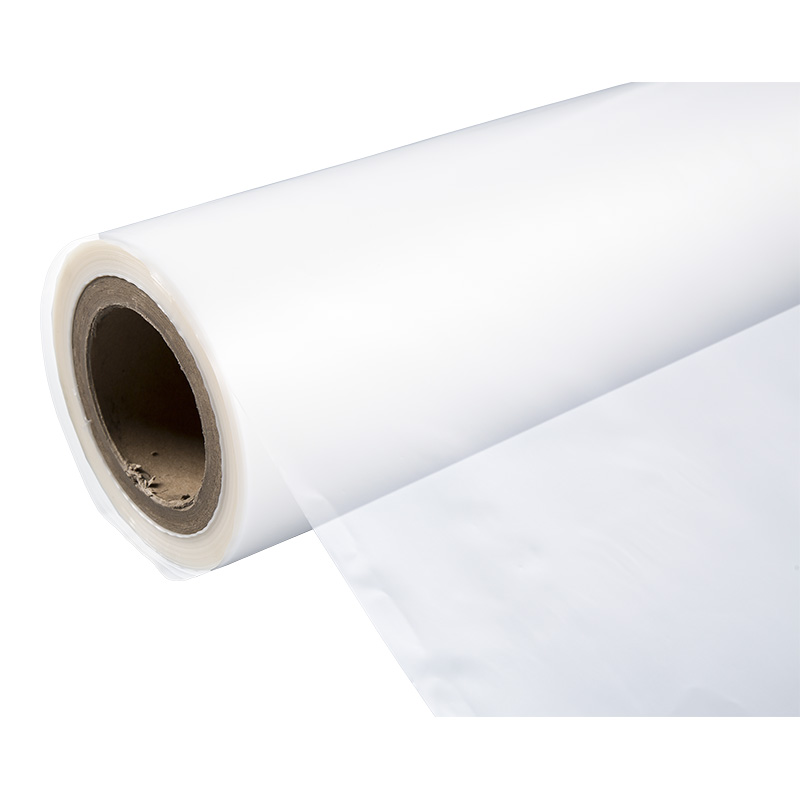
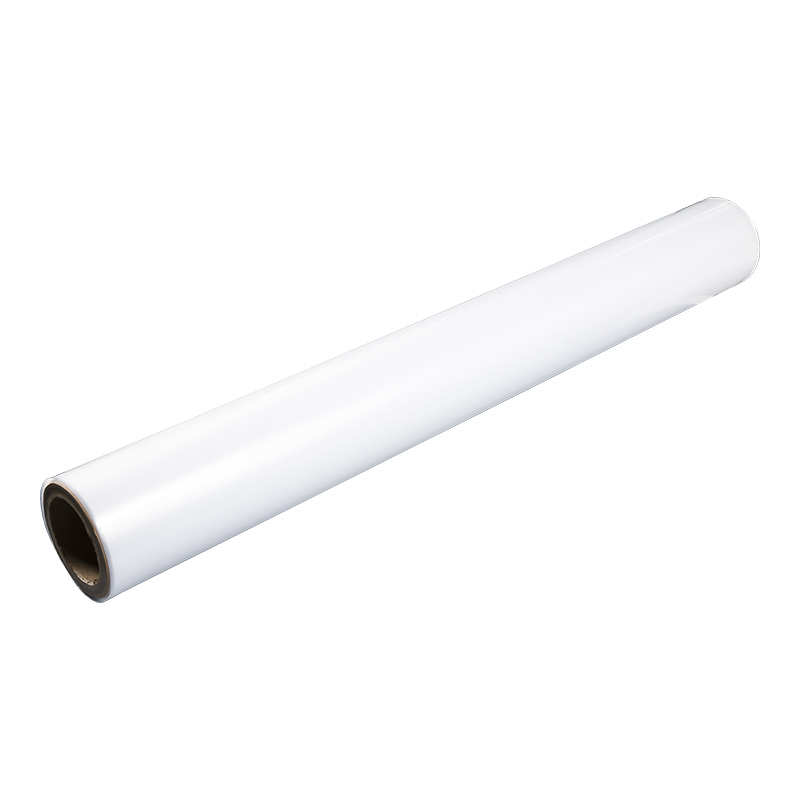
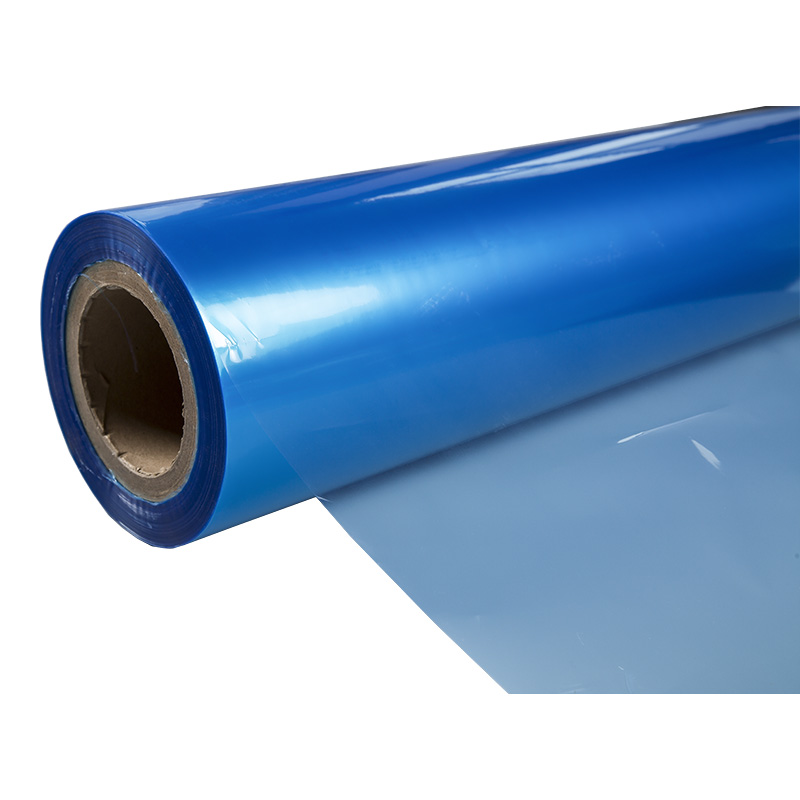
Food-Grade Plastic Film Roll is an indispensable material for food packaging, offering protection, durability, and hygienic safety for a variety of food products. This article delves into the reasons why food-grade plastic film is the ideal choice for packaging, its key features, and its impact on food safety and sustainability.
Why Choose Food-Grade Plastic Film Roll for Food Packaging?
Food-grade plastic films are specifically designed for use with food products, ensuring that the packaging does not contaminate or degrade the food. This type of packaging is essential for maintaining food quality and extending shelf life.
- Improved Freshness and Hygiene: Food-grade plastic films help to preserve the freshness of perishable items by creating an airtight seal, reducing the exposure to harmful contaminants.
- Cost-Effective Packaging Solution: Compared to other materials, plastic films are often more affordable while providing excellent protection for a wide range of food items.
- Sustainability in Packaging: Many food-grade plastic films are now made from recyclable materials, helping to minimize environmental impact.
Improved Freshness and Hygiene
Food-grade plastic film plays a vital role in enhancing the freshness and hygiene of food products. The airtight seals it provides prevent oxygen and moisture from affecting food, which is crucial in keeping food fresh and preventing bacterial contamination.
Cost-Effective and Sustainable Solutions
Not only does food-grade plastic film offer affordability, but it also presents a sustainable option for food packaging. Many manufacturers now produce recyclable and biodegradable plastic films, reducing the carbon footprint of food packaging.
Key Features of Food-Grade Plastic Film Roll
The versatility of food-grade plastic films is evident in their ability to meet various packaging needs. This section discusses the primary features that make these films the go-to option for food packaging.
- FDA Approval: Food-grade plastic films are made to meet the strict safety standards set by the FDA to ensure they are safe for food contact.
- Barrier Protection: They provide excellent barrier properties to keep out contaminants and protect food from physical damage.
- Temperature Resistance: These films are often resistant to a wide range of temperatures, making them suitable for refrigeration or frozen food packaging.
Certifications and Safety Standards
To ensure the safety of food products, food-grade plastic films must meet various certifications, such as FDA and ISO standards. These certifications guarantee that the films are non-toxic and safe for direct food contact.
Versatility in Applications
Food-grade plastic films are widely used in different food packaging applications, including wrapping meat, vegetables, fruits, and snacks. Their adaptability to various product needs makes them a popular choice among food packaging manufacturers.
How to Choose the Right Food-Grade Plastic Film for Your Needs?
Choosing the right food-grade plastic film depends on various factors like the type of food being packaged, the required shelf life, and environmental considerations. Here’s a guide to help you make an informed decision:
- Thickness and Durability: Depending on the product, you might need a thicker film for better durability or a thinner film for cost-effective packaging.
- Environmental Impact: Many food-grade films are made from recyclable materials, so consider the environmental impact when making your choice.
Cost vs. Quality in Food Packaging Film
When choosing a food-grade plastic film, it’s important to strike a balance between cost and quality. While cheaper options may be available, they might lack the required durability or barrier properties to ensure the safety and freshness of your food.
The Environmental Impact of Food-Grade Plastic Film Roll
With growing concerns about the environmental impact of packaging materials, it’s essential to consider the sustainability of food-grade plastic films. Many manufacturers now offer biodegradable and recyclable films, helping reduce waste and promote a circular economy.
- Recyclability: Some food-grade plastic films can be recycled, which helps to reduce the amount of plastic waste.
- Eco-Friendly Alternatives: Sustainable alternatives, such as compostable and plant-based plastic films, are being introduced to meet consumer demand for eco-friendly packaging.
Recyclability of Food-Grade Plastic Films
Many food-grade plastic films are recyclable, which is a major plus for businesses looking to reduce their environmental footprint. Recycling these films helps to keep plastic out of landfills and minimizes pollution.
Alternatives to Traditional Plastic Films
For those looking to further reduce their environmental impact, plant-based or compostable plastic films provide an eco-friendly alternative to traditional plastic films.
FAQ
What is the difference between food-grade and regular plastic film?
Food-grade plastic film is specially designed to meet food safety standards. It is non-toxic, free of harmful chemicals, and safe for direct food contact, unlike regular plastic films that may not meet these requirements.
Are food-grade plastic films safe for direct food contact?
Yes, food-grade plastic films are designed to be safe for direct food contact. They meet strict safety standards set by organizations like the FDA to ensure that they do not contaminate food.
Can food-grade plastic films be recycled?
Many food-grade plastic films are recyclable, especially those made from polyethylene. Always check for recycling symbols and local recycling guidelines to ensure proper disposal.
Real-Time Search Trends
With increasing awareness of sustainability and food safety, the demand for food-grade plastic film rolls continues to rise. Many consumers are now searching for eco-friendly options, and businesses are responding by offering more sustainable packaging solutions.